
Work Text:
Hillwood!
Or, as it is better known to visitors: “Did we take a wrong turn somewhere?”
Hillwood!
A West Coast American city similar to Los Angeles, except in every conceivable and quantifiable regard.
A point not lost on the Mayor’s Office, which sought initial redress by organizing a junior karting festival spread over two weekends. Doing so would—in theory at least—maximize exposure and, by extension, publicity. Best of all, they’d be “doing it all for the children.”
The plan was for practice and qualifying to take place on the first weekend to build hype for the main event—a more protracted variation of the Formula One format. And if the format worked for Formula One, it would be a shoo-in for a youth karting event.
The event and entry criteria were announced to middling fanfare. Initial expectations had to be curtailed. The physical and technical requirements were thus gradually relaxed in the name of “being more accommodating”. Eventually, eligibility came down to little more than being free on the two weekends and presenting a vehicle that didn’t require a span of oxen or a pack of malamutes to propel itself forward.
With the administration handled somewhat successfully, the event commenced with the practice and qualifying sessions.
The turnout proved barely adequate, enough to make qualifying moot. Still, proper decorum dictates that the competitors’ names be disclosed. Surnames have been withheld to spare them complete embarrassment.
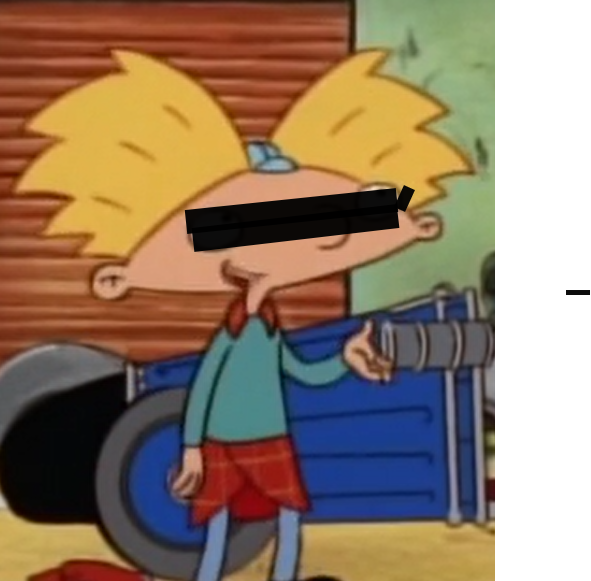
Arnold: all-round competence personified.
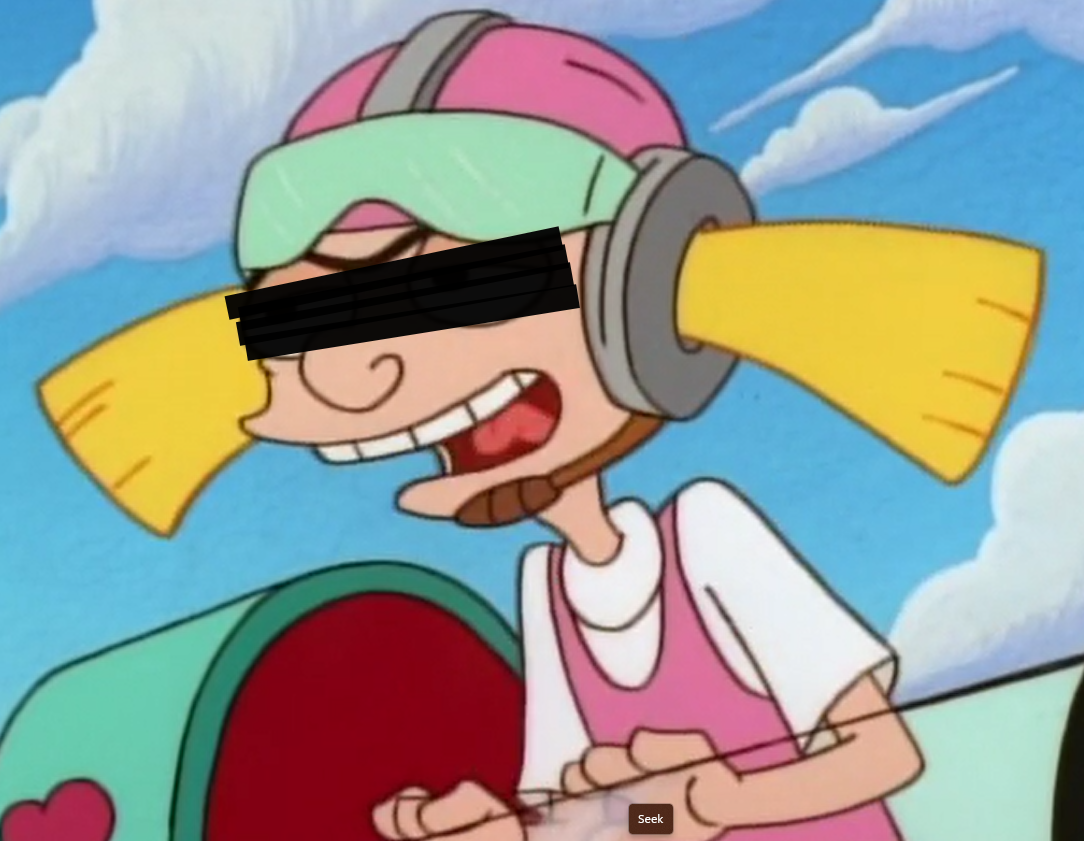
Helga: considered the winner’s trophy her birthright and woe betide all who hinder her.
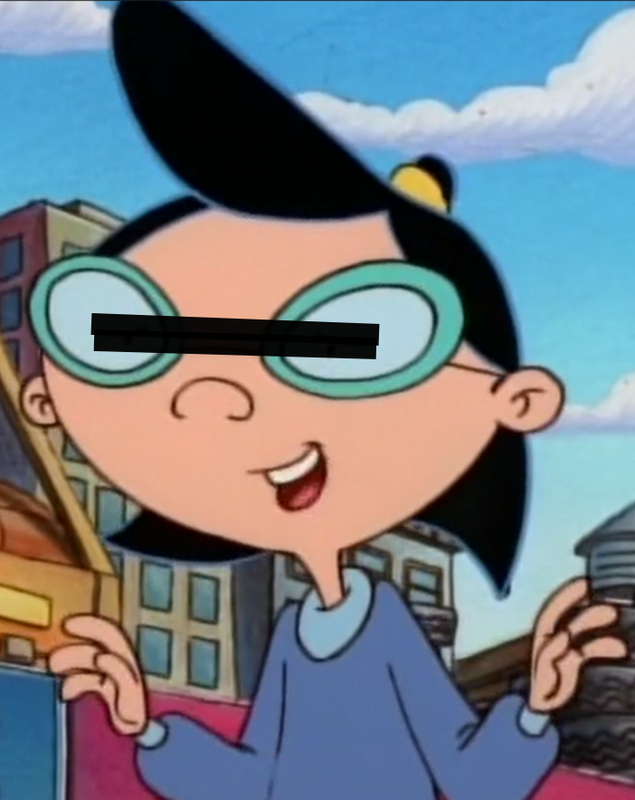
Phoebe: believes that to finish first, one must first finish, but more on that later.
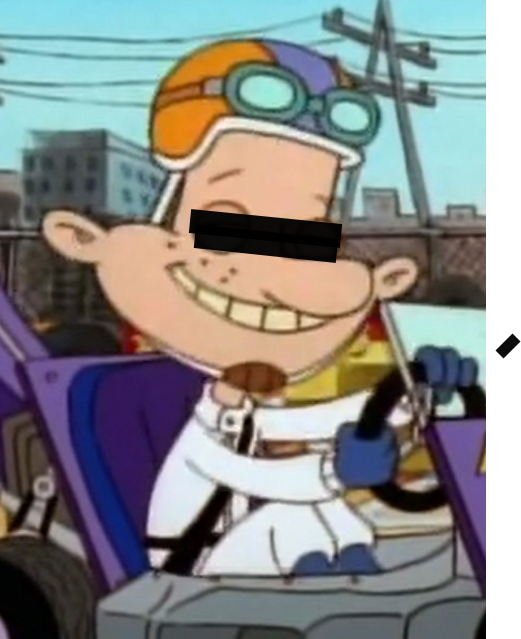
Eugene: rapid enough to win, erratic enough to trouble the odds.
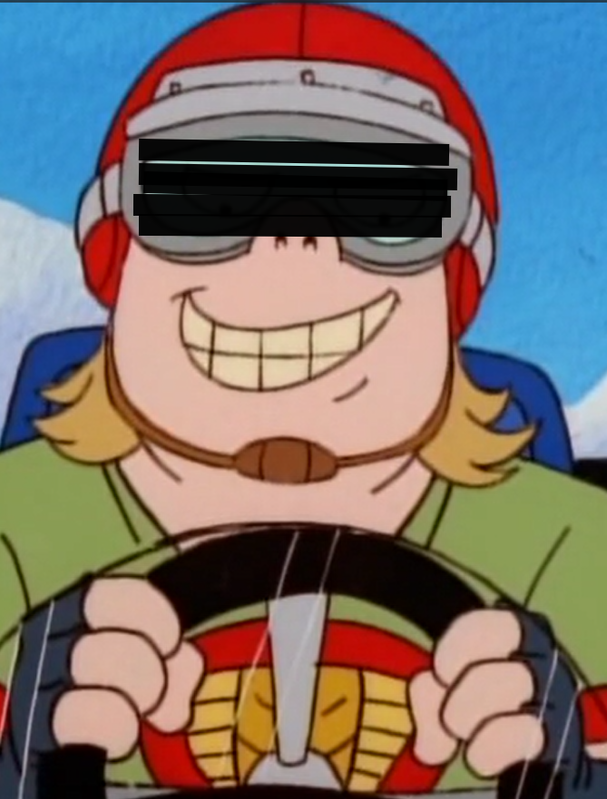
Wolfgang: a fast driver who treats strategy as a poor suggestion.
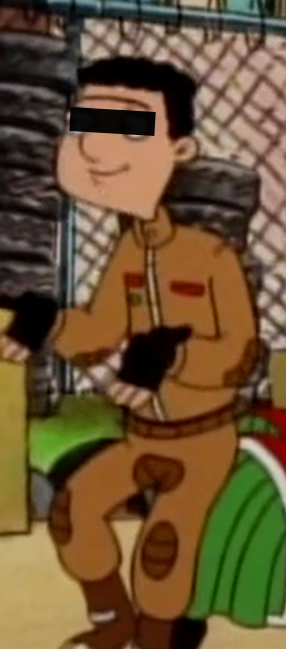
Giuseppe: presents himself in the mould of a 1950s Italian hero driver, accent included.
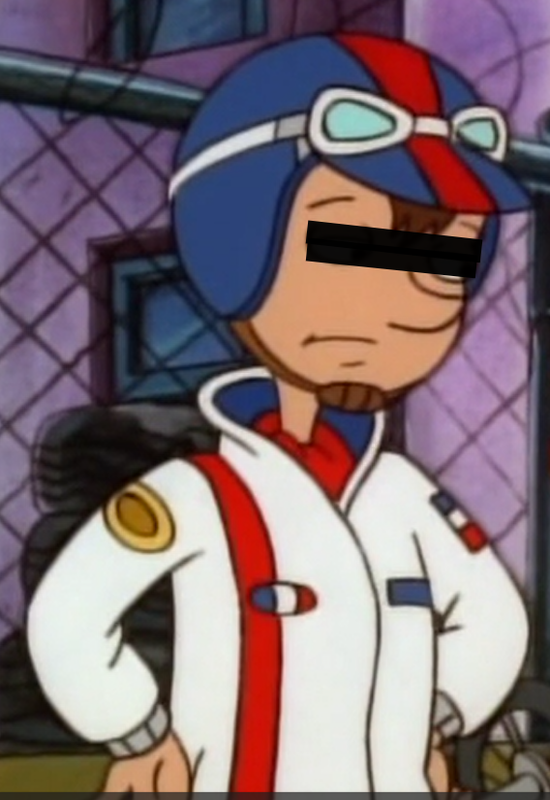
Jacques: lays claim to a French pedigree, having travelled in from Canada.
Moot or not, the first weekend attracted its unfair share of spectators. Those expecting tedium were to emerge disappointed. Not through Giuseppe and Jacques, who understood the concept of qualifying—set a quick time before pitting in and fraternizing with the adoring female fans. The excitement came from the rest of the field, who treated the session as a full-blown race replete with jostling for position and inevitable instances of contact.
One such instance occurred when Eugene’s tunnel-vision pursuit of a respectable time left him unaware of the track boundaries and led him to veer off the track. He struggled to rejoin the procession, for which he must have been mightily chuffed when he eventually succeeded. His fellow competitors were decidedly less enthusiastic, given that he had rejoined facing the wrong way and was barreling towards them. Three drivers saw him coming; two succeeded in evading him. Arnold was the unlucky one, and it was more through probabilities best expressed as complex numbers than it was through actual structural integrity that he and Eugene could walk away unharmed from the scene. At the same time, their mangled vehicles resembled the subject of an abstract painting.
Good news: both drivers remained eligible for the following weekend’s main race.
Bad news: both drivers remained eligible for the following weekend’s main race, provided they could have their karts up and running by then.
Reality intruded to remind them and everyone else that such an accomplishment would be a Lazarus-like miracle. Through perseverance, lateral thinking, and confidence last recorded by Victor von Frankenstein, Arnold, Eugene, and their crew would arrive at the main race, having forged a vehicle from the usable parts of the two wrecks. They deserved to be lauded as messianic figures for their efforts, even if the results of said efforts made them look like gluttons for punishment.
The race itself refused to be overshadowed by the preceding miracle. From the green light, it was a miniature top-tier display of racing. Racers jostled for position; the lead frequently changed; body panels took dents; and paint was exchanged.
All the while, the organizers watched in amazement as the stands came alive—what, against expectations, had gone right?
Then came the mandatory pitstops and optional driver changes—once more, in the name of “giving everyone a chance to participate”. The organizers hoped these would also shake up the racing action. To their surprise, the promise was honored.
Helga pitted first, letting her team principal, Phoebe, take over the wheel. Given her competitive nature, though, speculation suggests this exchange was more a dare than a sporting gesture. Wolfgang, Giuseppe, and Jacques were next, opting to soldier on. Arnold arrived next. His pitstop was long enough for a brief debate with Eugene, during which the latter pleaded his case to take the second stint. The debate was compelling enough to earn the rapt attention of their pit crew, to the point of distraction. The extent of their distraction became clear only after Eugene rejoined the race and they realized that a wheel nut intended for the vehicle was still in the lead mechanic's hand.
It took a while for the oversight to make itself felt. By then, Eugene had rejoined the race as part of the leading group and was challenging Wolfgang for the lead. Then the wheel came off, and chaos ensued. Eugene’s new erratic ride quality prompted Wolfgang, Jacques, and Giuseppe into last-second evasive action. Their efforts, successful though they were, redirected them off course and into the tyre wall, which met OSHA specifications even if the karts didn’t.
Eugene pressed on despite circumstances. Some would call it an act of bravado. Post-race murmurs from the paddock presented an alternate theory, citing that the kart’s handling differed very little from what he routinely encountered on his daily bicycle commute to and from school. It therefore surprised few that he could compensate for steering characterized by some observers as holding on to a greased pig. The result was a fast-disintegrating kart pointed broadly in the right direction for most of the final lap, and a tangible shot at victory. This performance drew applause from a crowd that couldn’t account for their reaction.
Phoebe, meanwhile, had spent her stint being nothing if not consistent. Having rejoined the race at the tail end of the field, she posted consistent lap times, constantly closing in on the errant leader, becoming better at being second without becoming first. Her key advantage over Eugene was her demonstrable and disciplined ability to keep her kart pointing in the right direction throughout the stint, most crucially on the final lap. Even so, a photo finish was required to award the win to Phoebe. The decision was wholly embraced by her teammates, especially Helga, who proclaimed to all and sundry her tactical foresight in passing the wheel over.
The rostrum provided a slightly awkward moment. Phoebe and Helga stood topmost, with Arnold and Eugene occupying second spot. Wolfgang, Jacques, and Giuseppe were left pushing and shoving for real estate on the third-place rung. The mantra of “giving everyone a chance to participate” had once again been invoked to classify them as joint third-place finishers. They received their medals, while Arnold and Eugene accepted their runners-up cup. Helga’s (and Phoebe’s) winning trophy was most formidable, suggesting that a much higher turnout and an appropriately harder-fought victory had been anticipated. Regardless, the trophy was theirs, even if it meant employing some serious elbow grease—and perhaps a miniature crane—to haul the thing back home.
Whatever their initial expectations, the spectators walked away having been thoroughly entertained. Their cheers, however, were drowned out by the self-congratulatory whoops and backpatting of the organizers who proclaimed themselves logistical geniuses for pulling off an event that didn’t collapse under their hubris, nor threaten anyone’s job security or political ambitions.
Whether they’ll want to repeat this exercise next year remains anyone’s guess.
THE END