
Work Text:
)
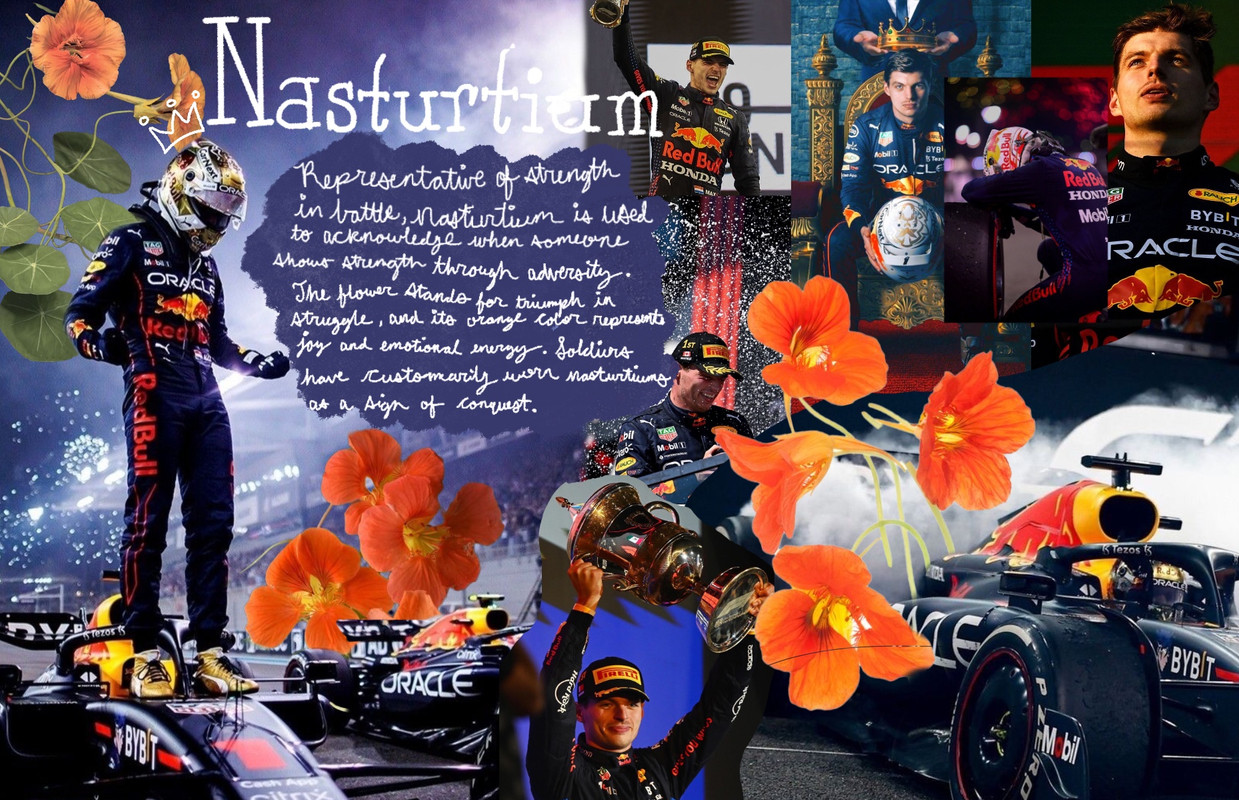 Representative of strength in battle, nasturtium is used to acknowledge when someone shows strength through adversity. The flower stands for triumph in struggle, and its orange color represents joy and emotional energy. Soldiers have customarily worn nasturtiums as a sign of conquest.
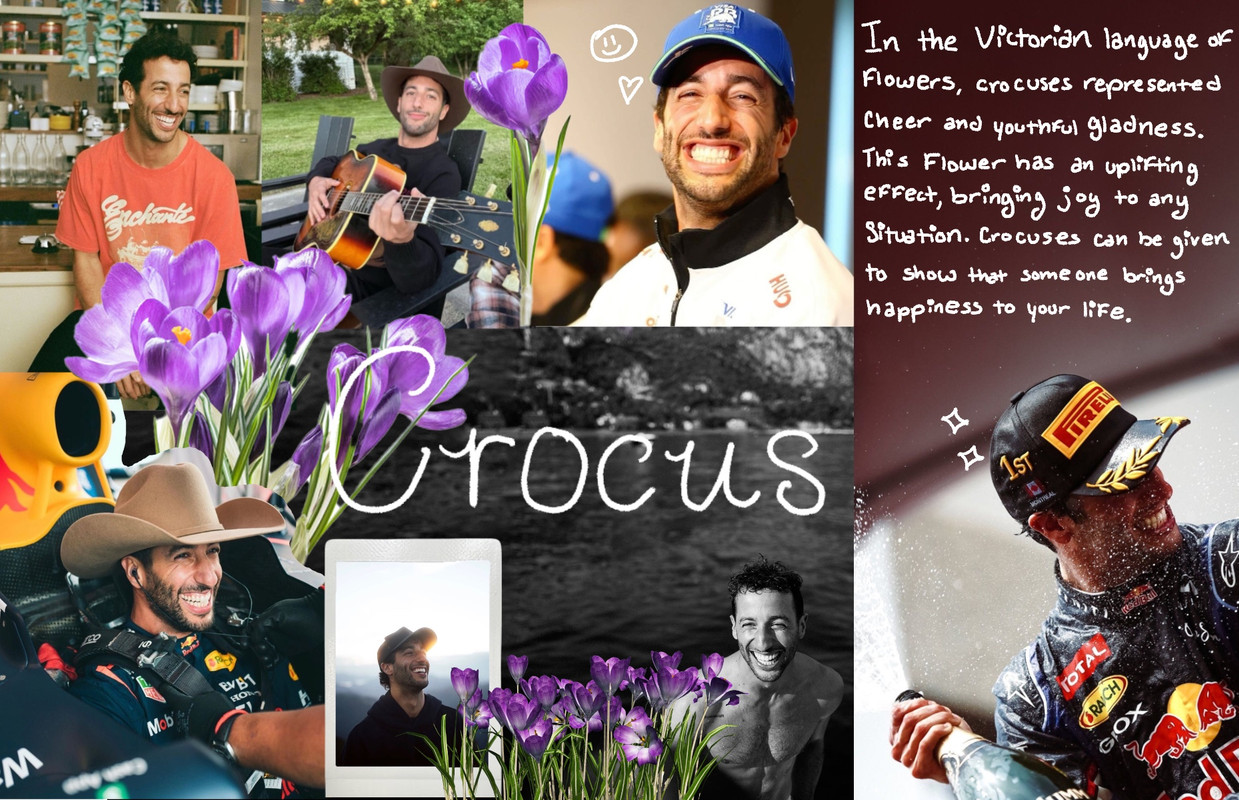 In the Victorian language of flowers, crocuses represented cheer and youthful gladness. This flower has an uplifting effect, bringing joy to any situation. Crocuses can be given to show that someone brings happiness to your life.
 Sunflowers have long been considered symbols of faith and devotion. Like the flower itself stretches toward the sun in constant worship, sunflowers represent admiration and adoration.
 Sweetpeas are traditionally associated with departures and goodbyes. The flower can be used to bid someone farewell and thank them for a lovely time.
 The daffodil symbolises rebirth and new beginnings. It's one of the first flowers to bloom at the end of winter, announcing the end of the cold, dark days.
 The most known meaning of tulips, a flower often associate with Holland, is perfect and deep love. Red tulips symbolise love, passion, and truth. Orange tulips can be used to represent the spiritual connection between two people. Finally, yellow tulips have historically symbolised jealousy and unrequited love, but have since come to be known for cheer and sunshine.
 The evergreen ivy crawls and creeps towards the sky, forming a union with whatever it may cling to, making the two almost inseparable. Ivy can be given in order to express fidelity for eternity. Ancient Greeks used ivy to crown victorious athletes.