
Chapter Text
Tennis is indisputably one of the most traditional sports in the world, and some will argue that it is the most. It is more than a century old; the first edition of one of the biggest events in the sport, the Wimbledon Tournament that takes place in London, England, dates back to 1877 (granted, it was not yet called that at the time). Tennis has managed to somehow retain all of its characteristic sophistication through the years, and at the same time that it grew in popularity, it is still considered a sport for those with refined tastes. Notwithstanding, tennis fans can be as passionate as fans of the “sports of the masses” such as soccer/football, basketball, volleyball and others. We can easily verify this at the four most prestigious tournaments of the tennis calendar, and at other slightly less prominent events as well.
Some superficial knowledge of the associations and the tournaments calendar should prove helpful to those who have never had much contact with tennis.
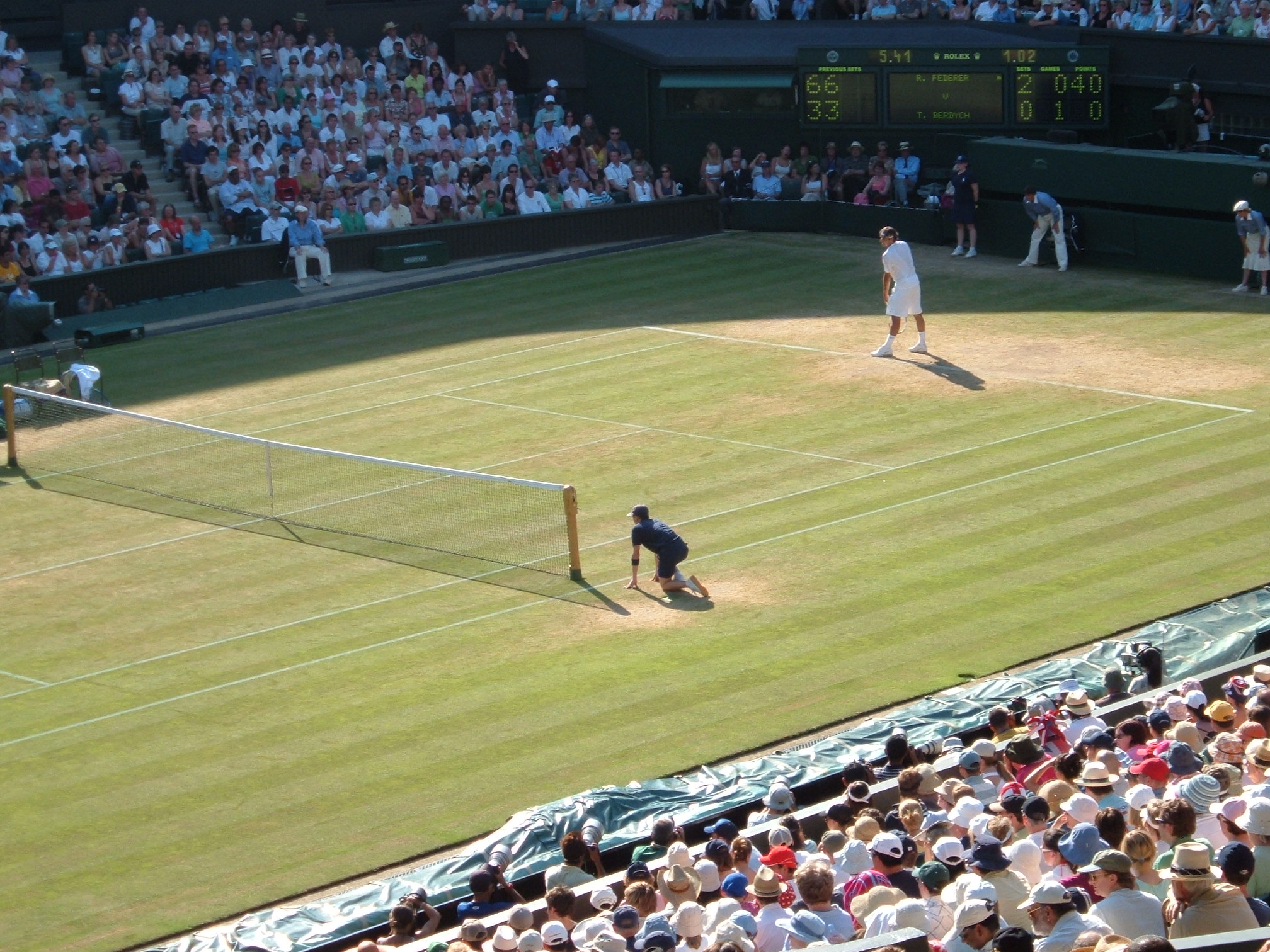
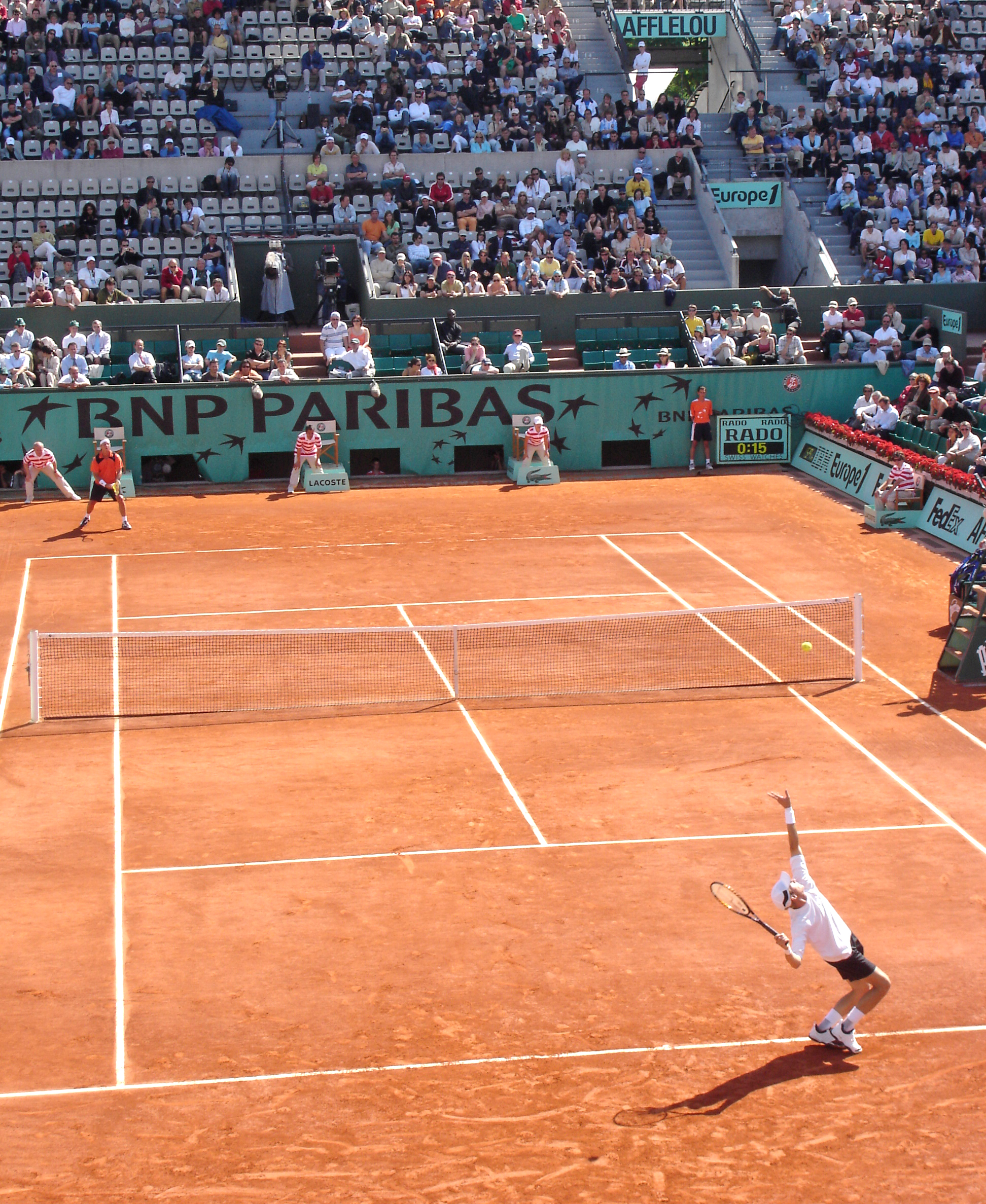
First, the three different playing surfaces: hard, grass and clay.

ITF (International Tennis Federation): It’s the organization behind the sport, supervising the calendar of competitions and maintaining the rules, integrity and promotion of the game. It is responsible for the Slams, the team/country competitions and the tennis events at the Summer Olympic Games.
ATP (Association of Tennis Professionals): Despite what the name suggests, the ATP covers only the male professional tennis players. The association was created in 1972 to protect the interests of the professional players, and since 1990 has been in charge of the worldwide tennis tour for men.
Singles: The tennis modality for individual players playing each other.
Doubles: The tennis modality for teams of two players playing each other.
Grand Slam: A Slam is one of the four most important events in the tennis calendar, and the only ones where best-of-five sets are played. They are:
• Australian Open (Hard court) – the first GS of the year, takes place in late January in Melbourne, Australia;
• French Open (aka Roland Garros; Clay court) – the second GS of the year, takes place in late May in Paris, France;
• Wimbledon (aka The Championships; Grass court) – the third GS of the year, takes place in late June in London, England;
• US Open (Hard court) – the fourth and last GS of the year, takes place in late August in New York, USA.
A Slam winner adds 2000 points to his or her ranking.
Masters 1000: The second most important tennis tournaments for men. There are currently 9 of them, (e.g. the Monte Carlo Rolex Masters (Clay court), Indian Wells Masters (Hard court), Miami Open (Hard court)). A Masters 1000 winner adds 1000 points to his ranking.
WTF (World Tour Finals): Known as Tennis Masters Cup until 2009 (and held in Shanghai, China, up until then), it is an end-of-tour competition for male pro players. In it, 8 qualified players (usually in the top 10 rankings) play one another in a round-robin system, and a winner emerges after a final match between the two with the best results. It currently takes place in November in London, and the winner adds 1500 points to his ranking.
Davis Cup: A yearlong competition between countries, in which teams of four players compete in a four-round elimination system for a place in the top tier World Group, comprising 16 teams/countries, who then compete for the Cup. Each elimination round is held in the teams’ home countries. This competition does not count toward the ATP rankings.
IPTL (International Premier Tennis League): An elite-level exhibition tennis tournament first played in 2014, held across various Asian cities. Top current and ex-players, male and female alike, are invited to this competition, which is played by the ITF rules but is not otherwise associated with the organization, not counting toward the rankings either.
Being at least familiar now with the above names and terms, we can seamlessly (and finally!) proceed with this manifesto.