Work Text:
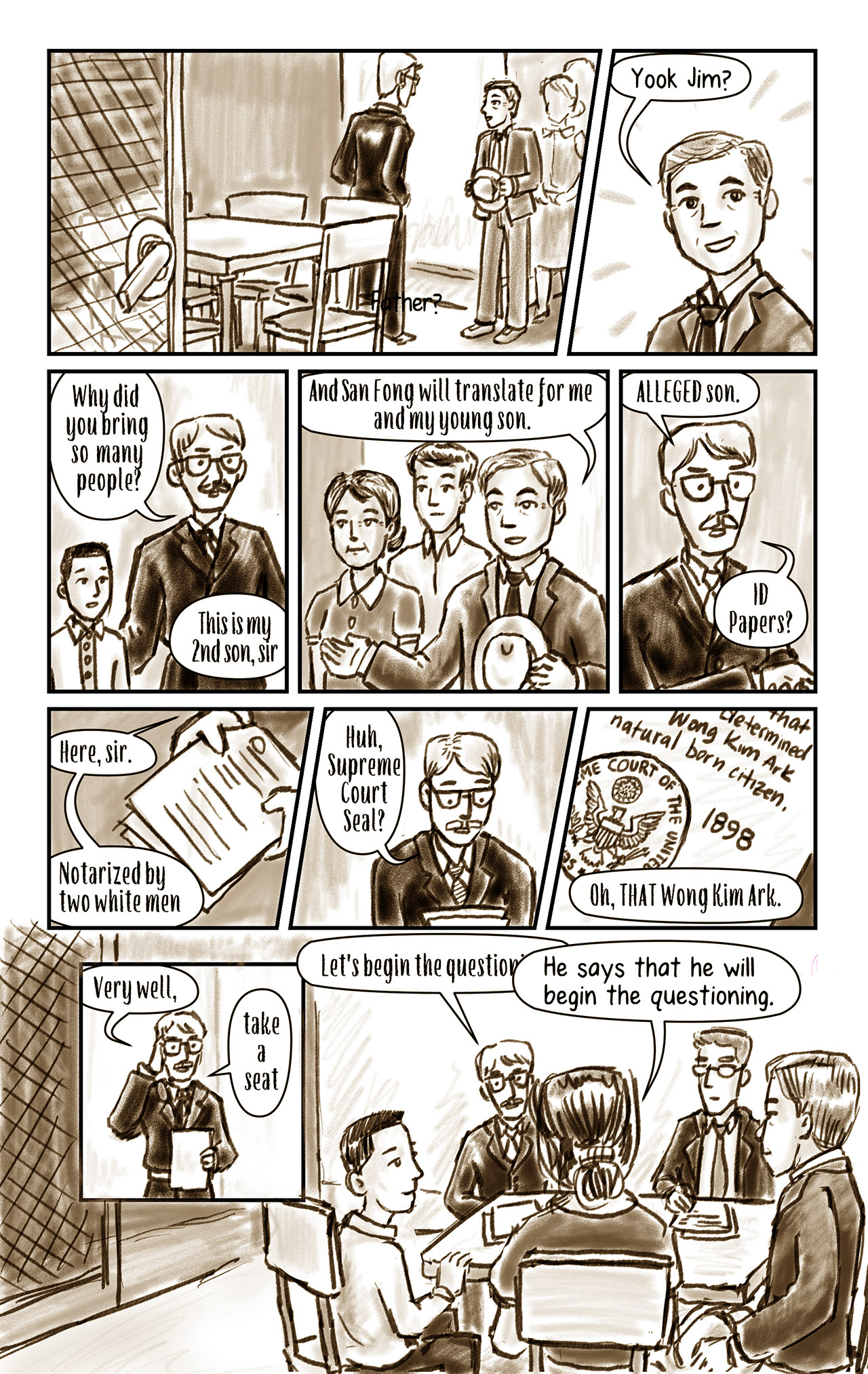
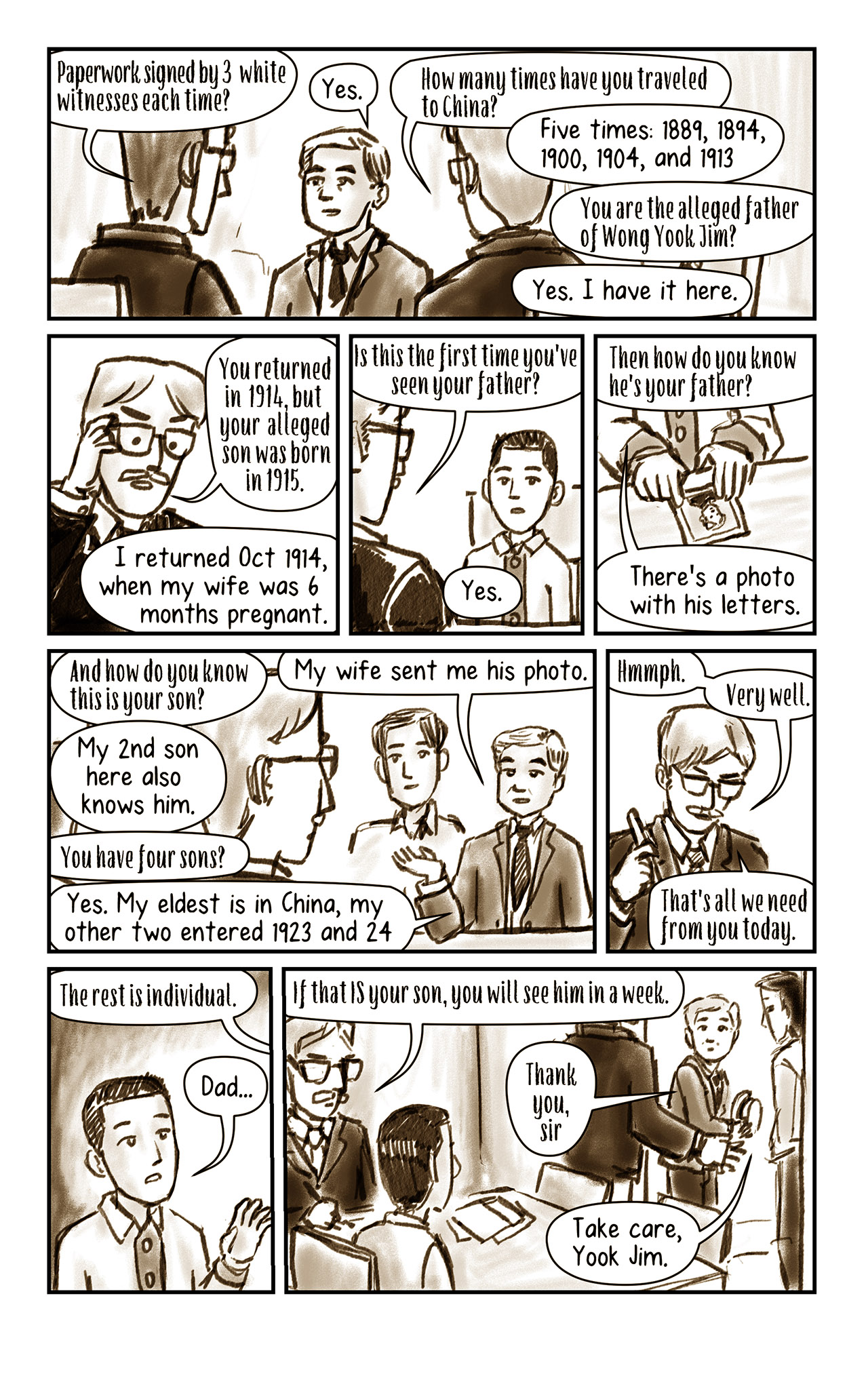
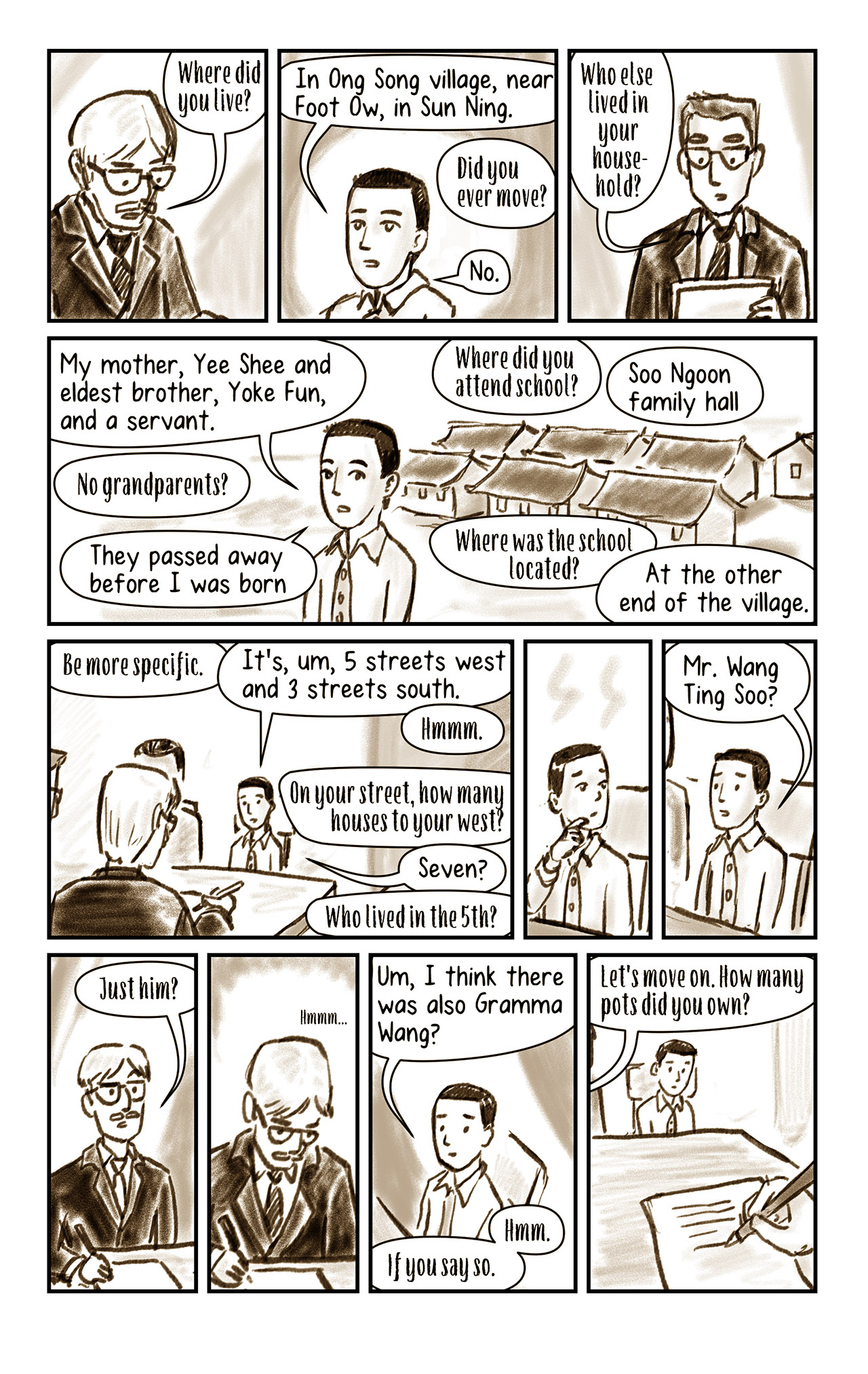
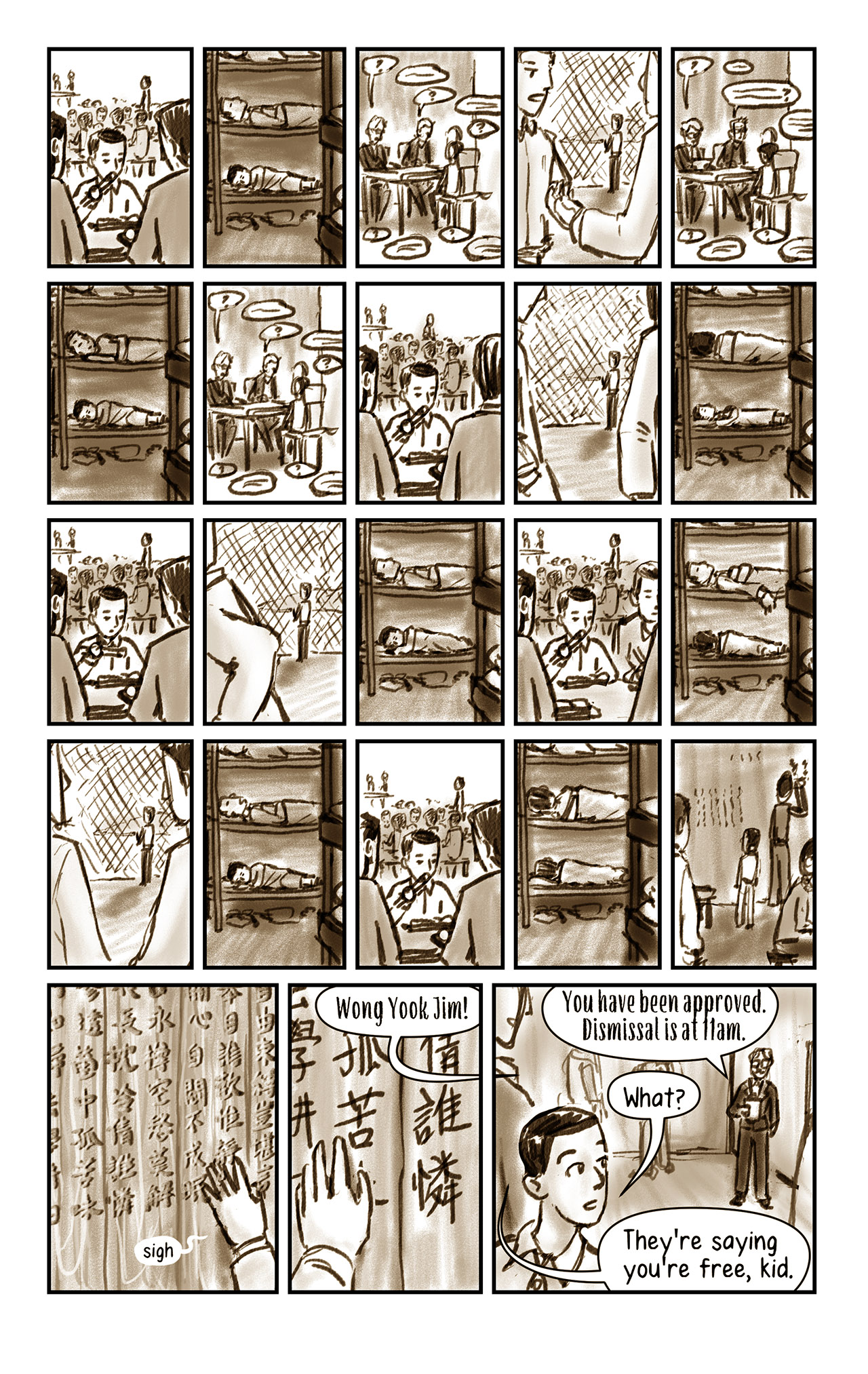
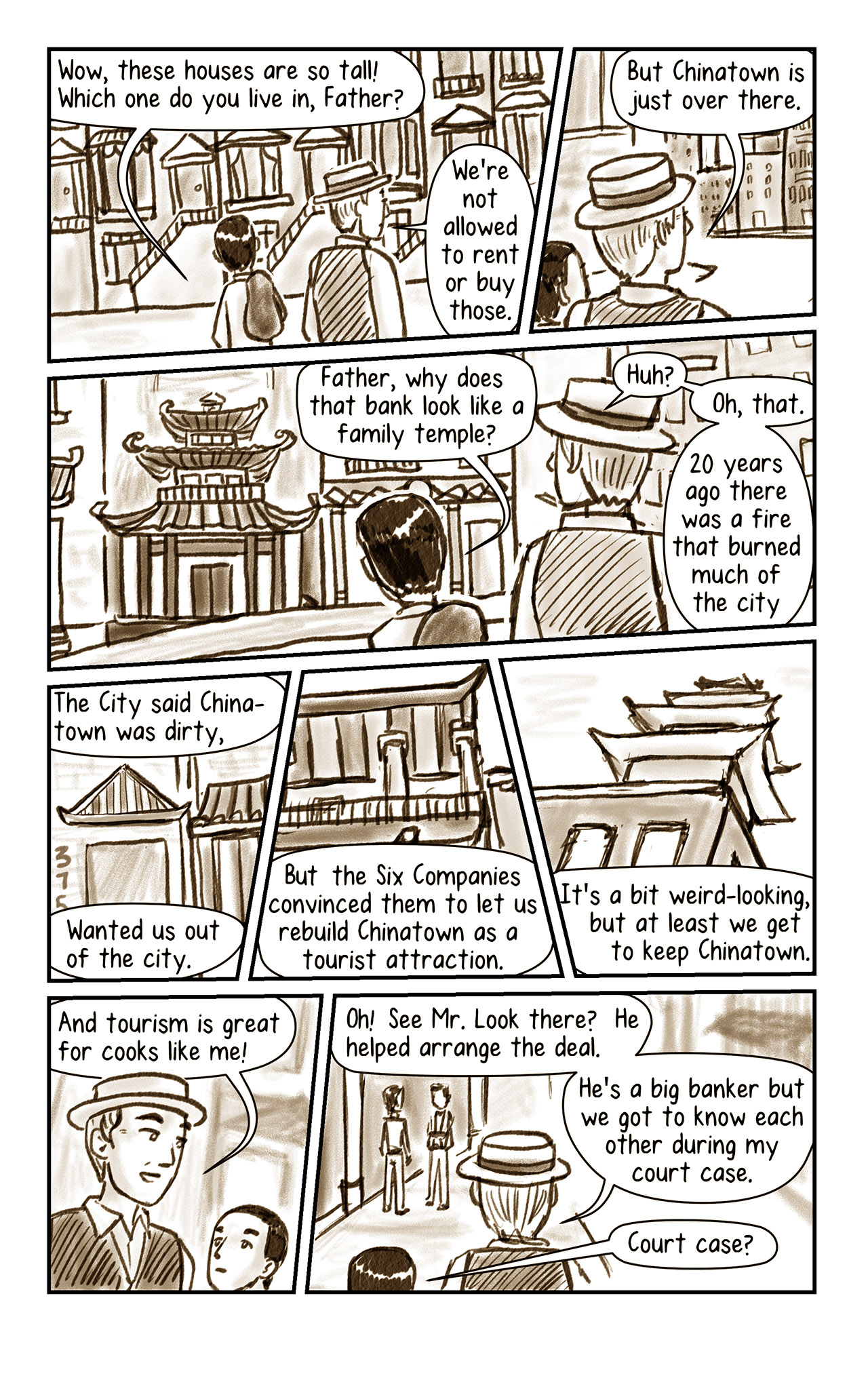
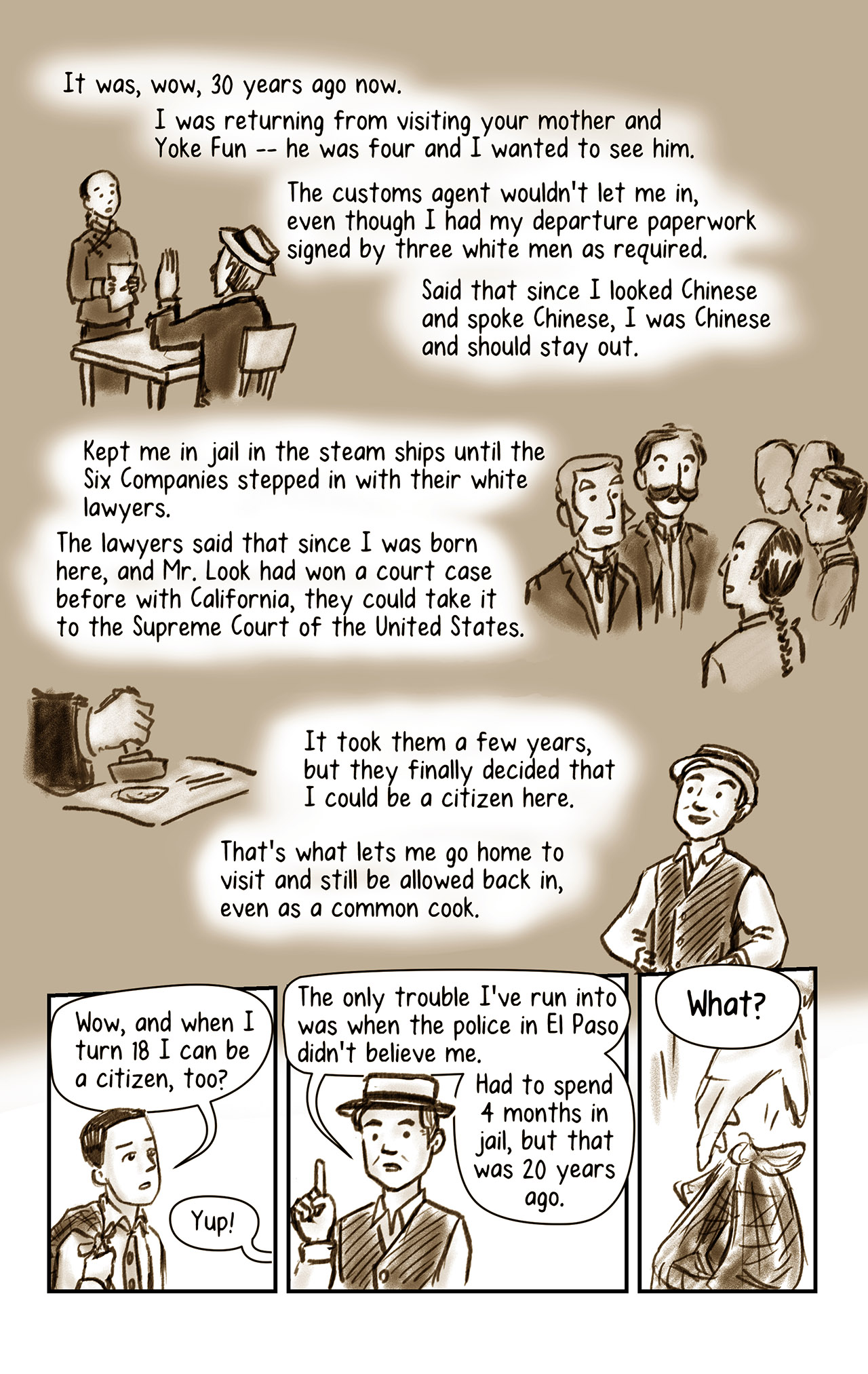
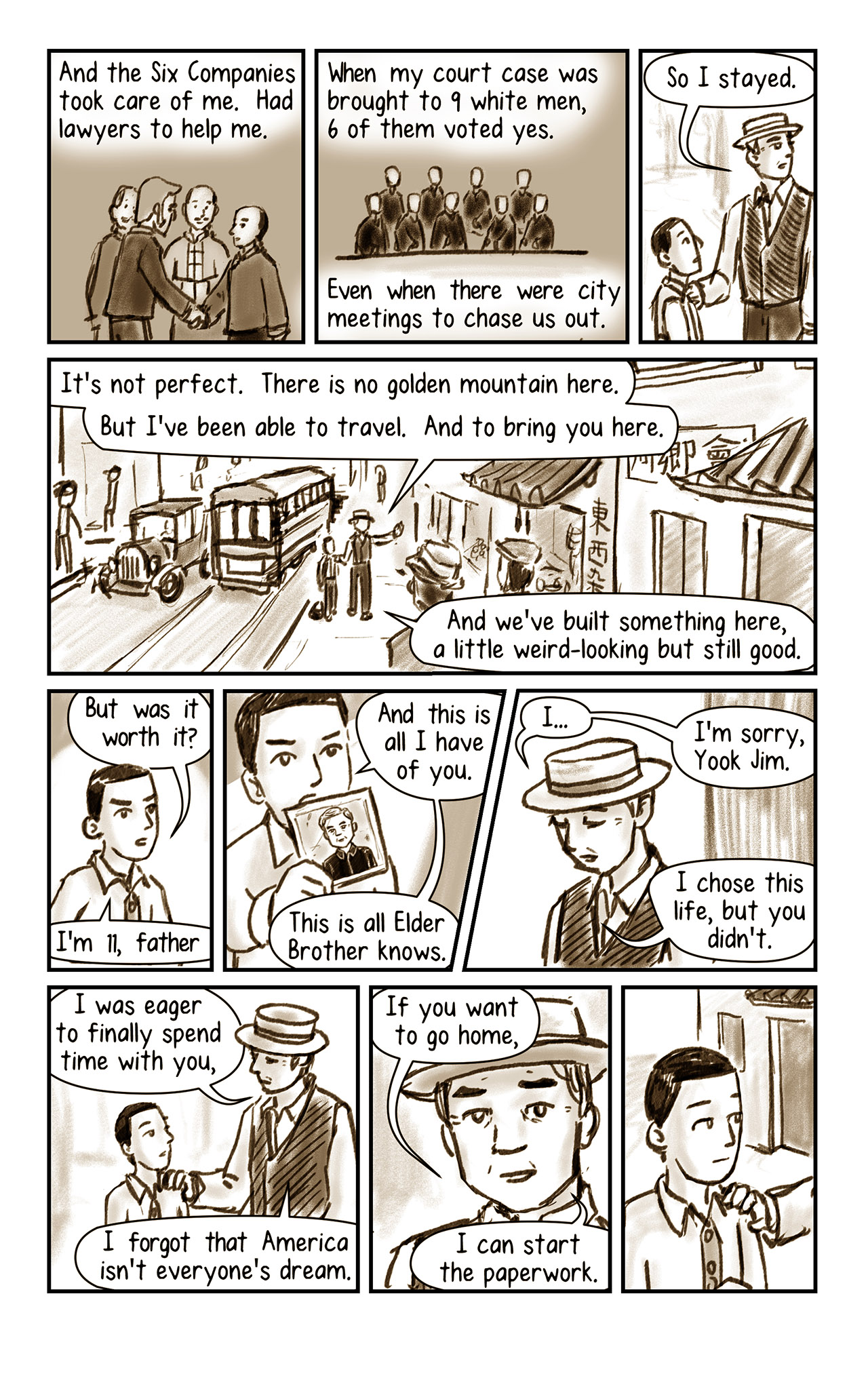

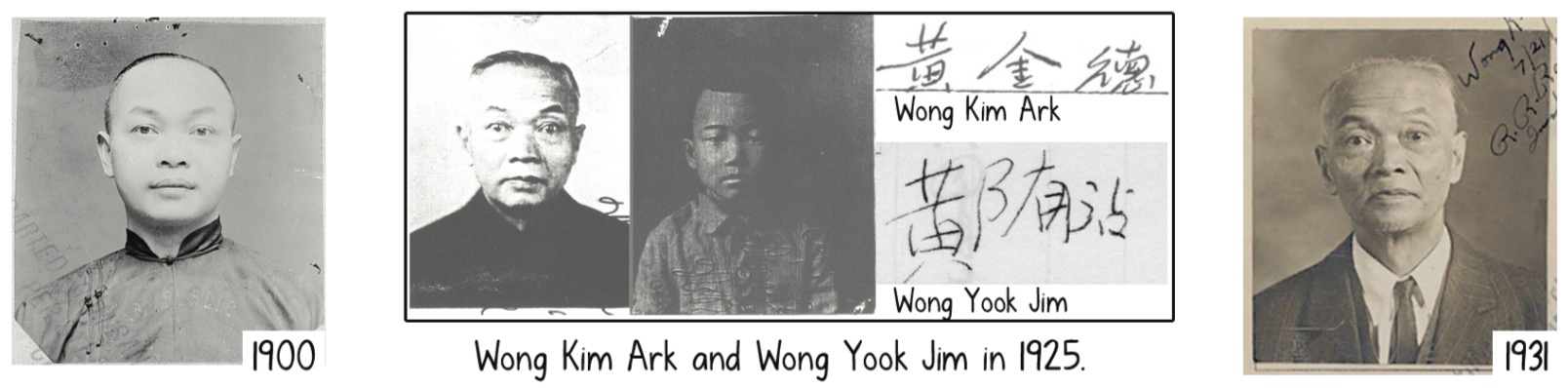
In 1898, the court case of Wong Kim Ark v. United States won birthright citizenship for all children born in America. What happened to Wong Kim Ark afterward? How did victory in this landmark court case affect his life? In the period of Chinese Exclusion, a combination of laws made it nearly impossible for him to build a family in America. Instead, he married in China and visited his family 4 times over 35 years. As the original native-born citizen, Wong Kim Ark’s own sons could not be born in America.
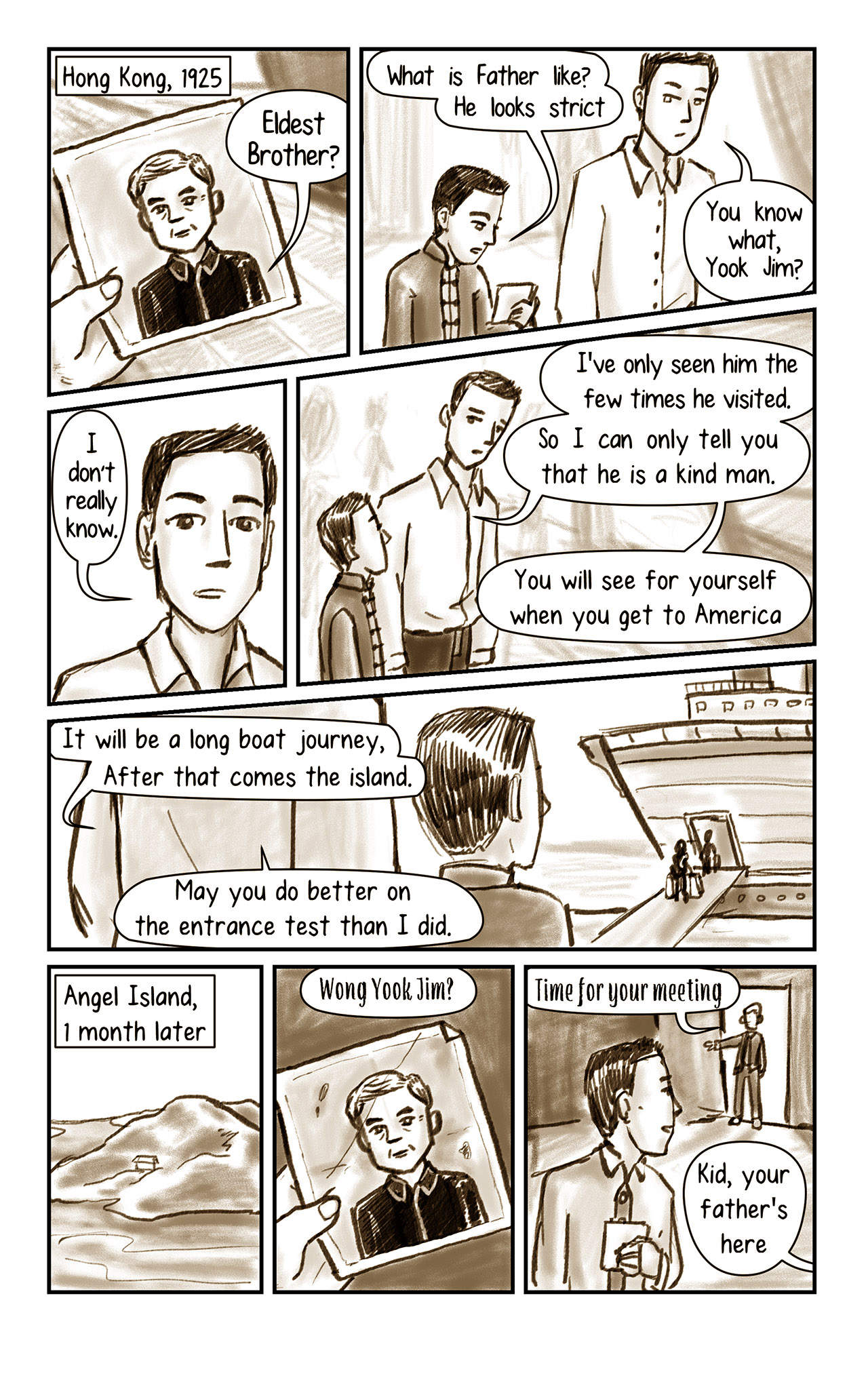
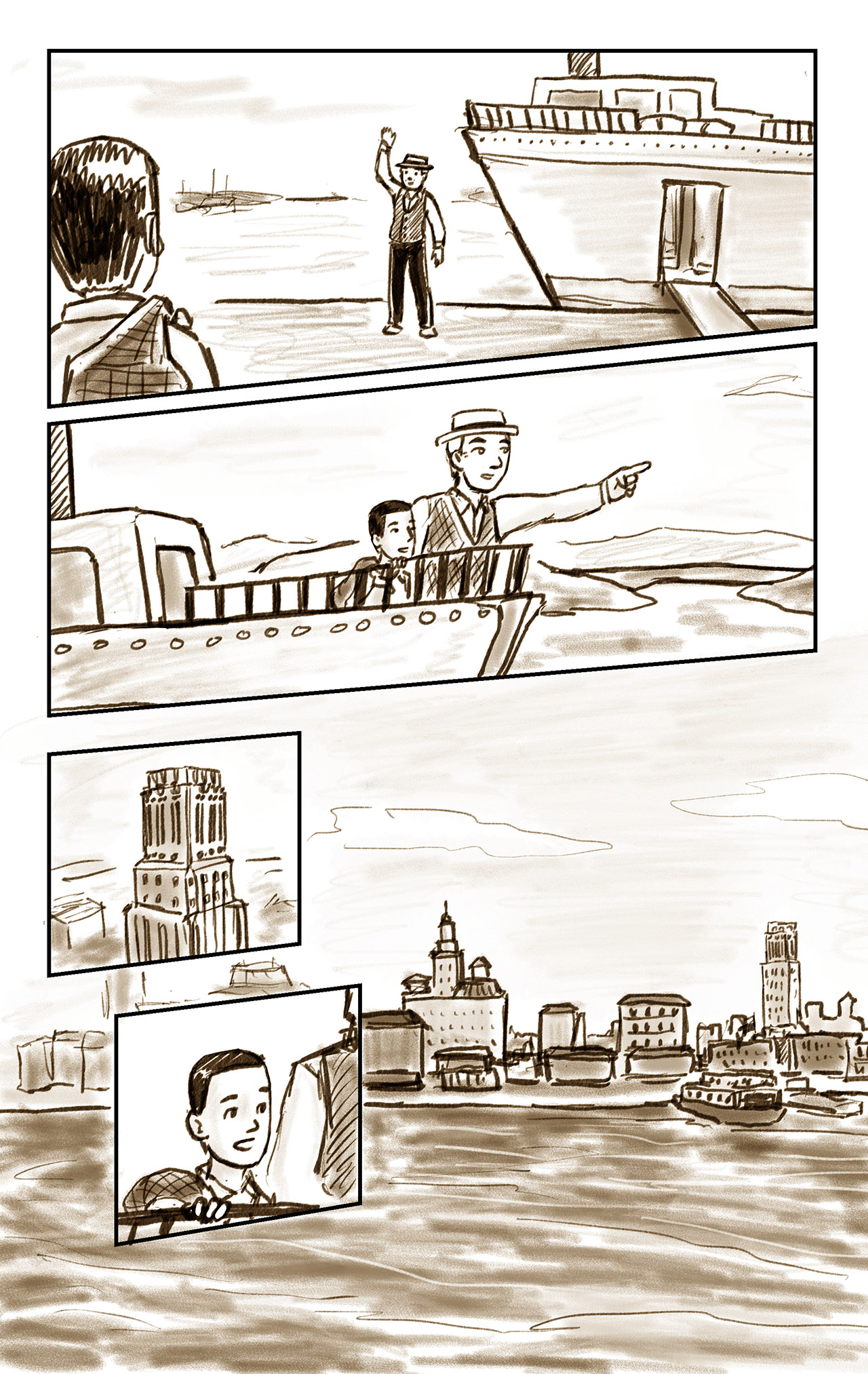
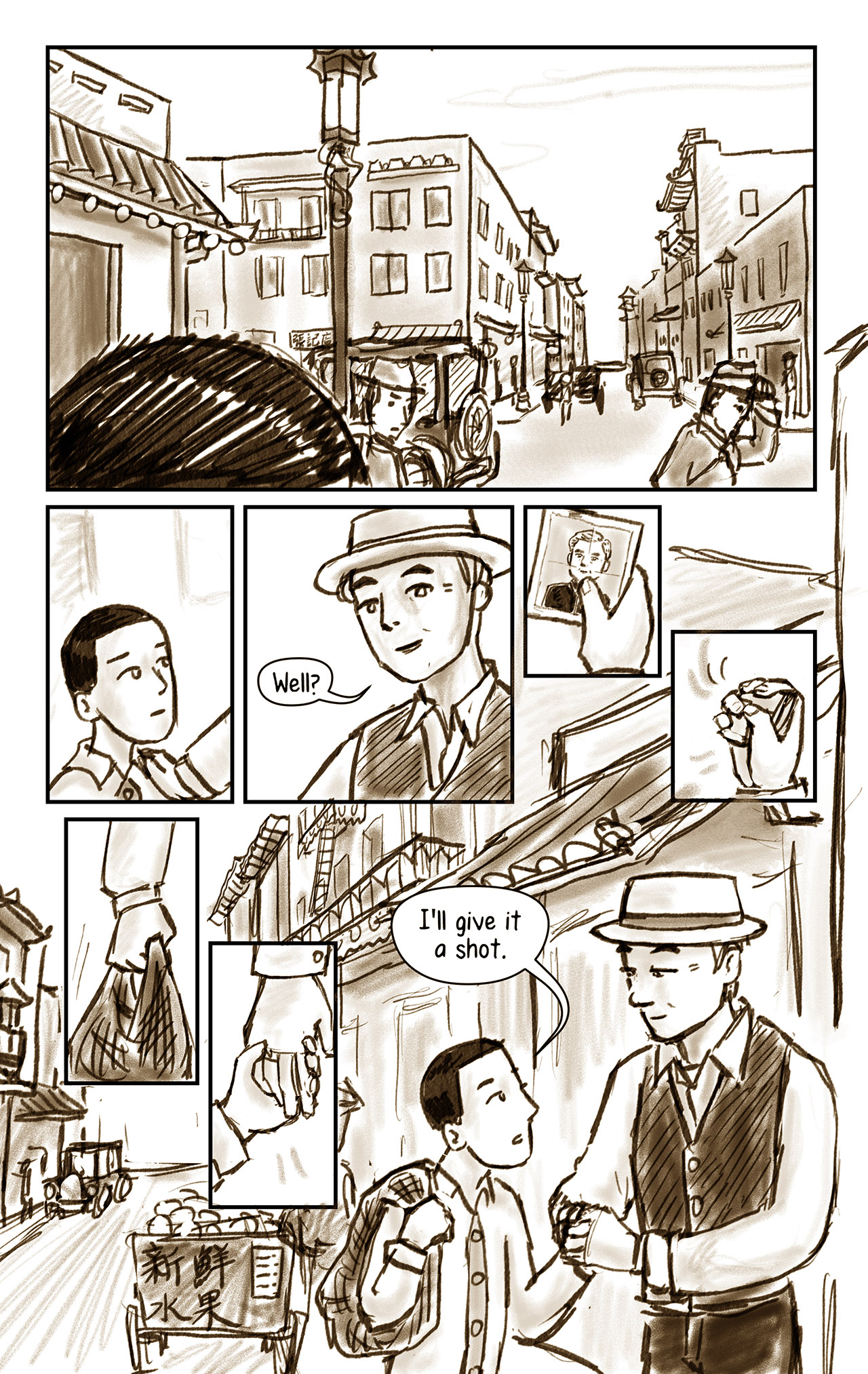
In 1925, eleven year old Wong Yook Jim, youngest son of Wong Kim Ark, steps onto a steamship bound for America to see his father for the first time.
(See the end of the work for notes.)
Wong Kim Ark and Native-Born Citizenship
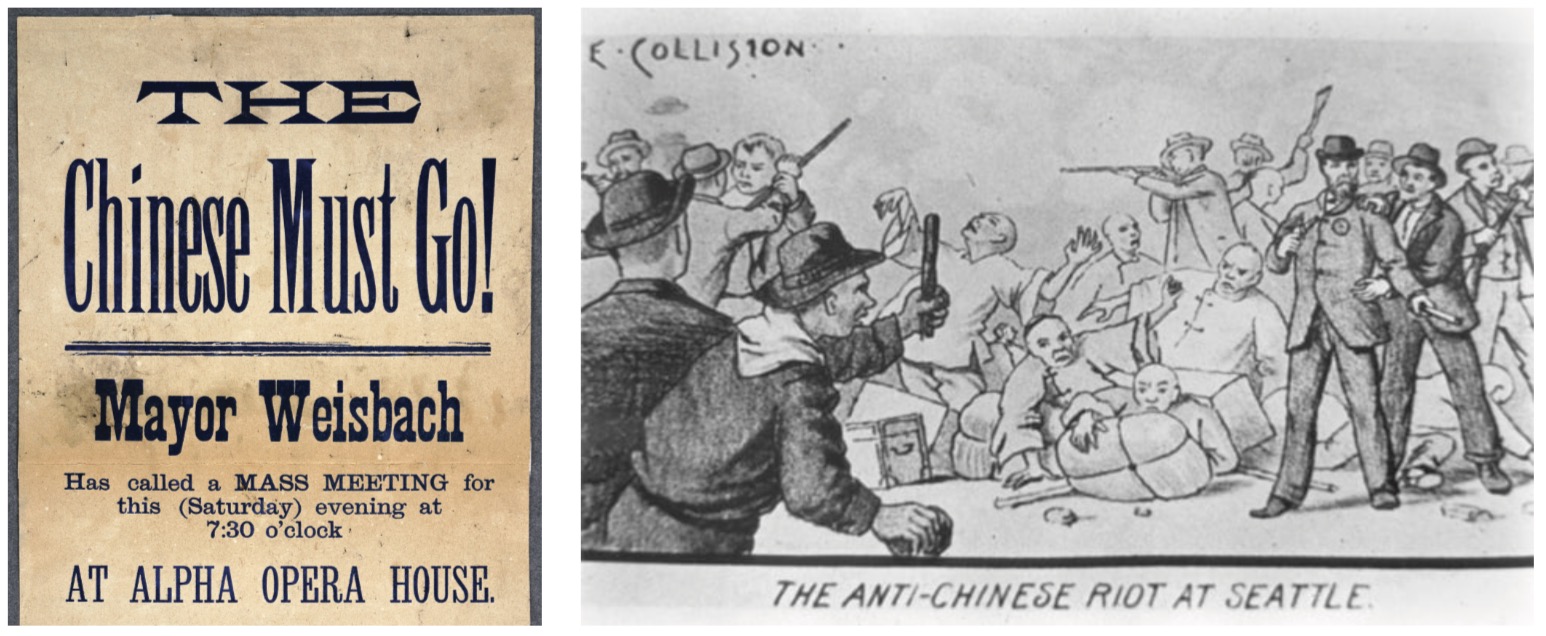
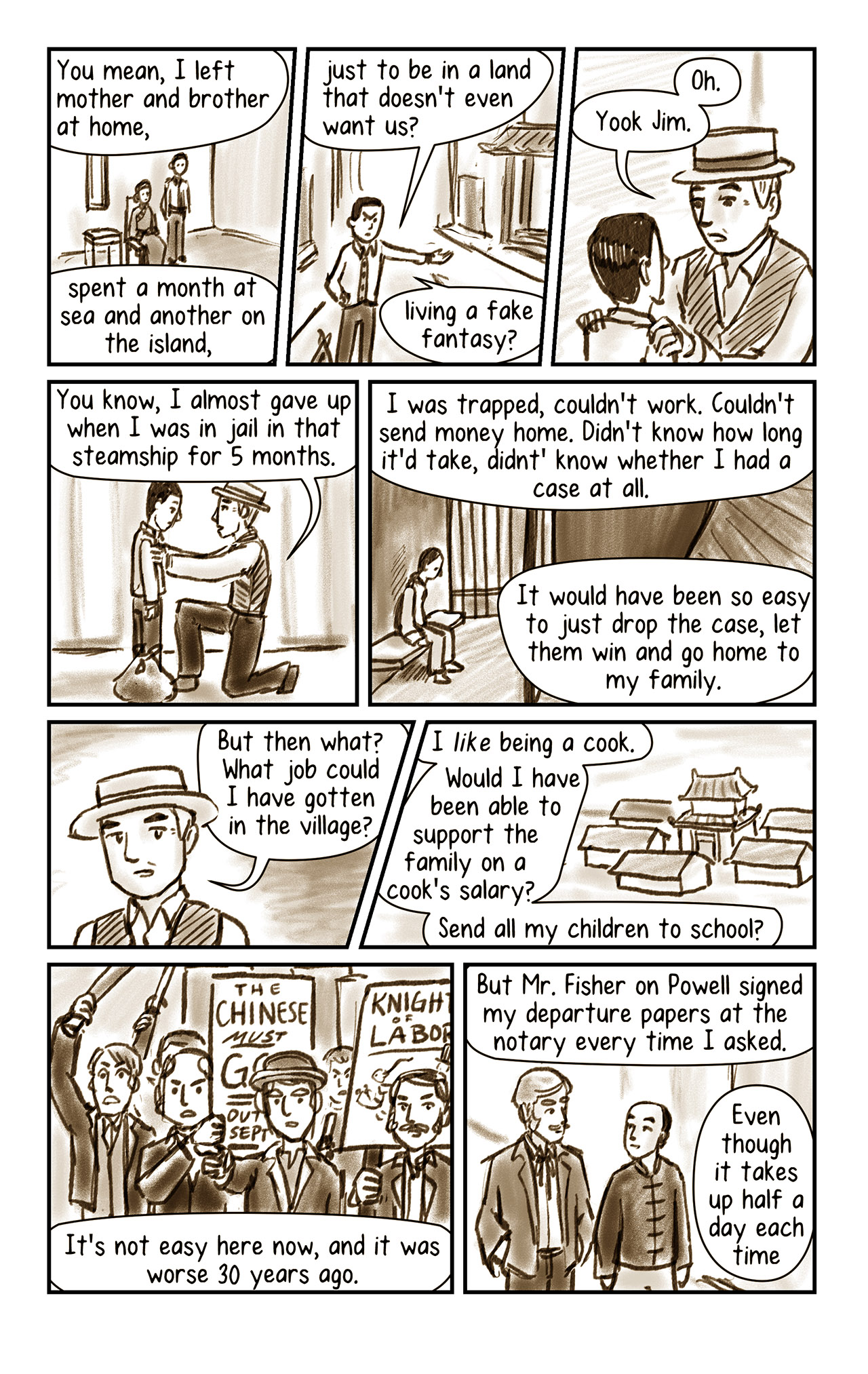
Wong Kim Ark (黃金德) was born in San Francisco and grew up at 751 Sacramento Street, above his parents’ grocery store. His parents retired to China in 1889, likely finding their presence in America increasingly unwelcome after the Chinese Exclusion Act of 1885 and the expulsions and riots that followed. Often lead by the Knights of Labor, Chinese immigrants were harrassed and sometimes driven out of major West Coast cities such as Seattle, Tacoma, Portland, San Francisco, and LA.
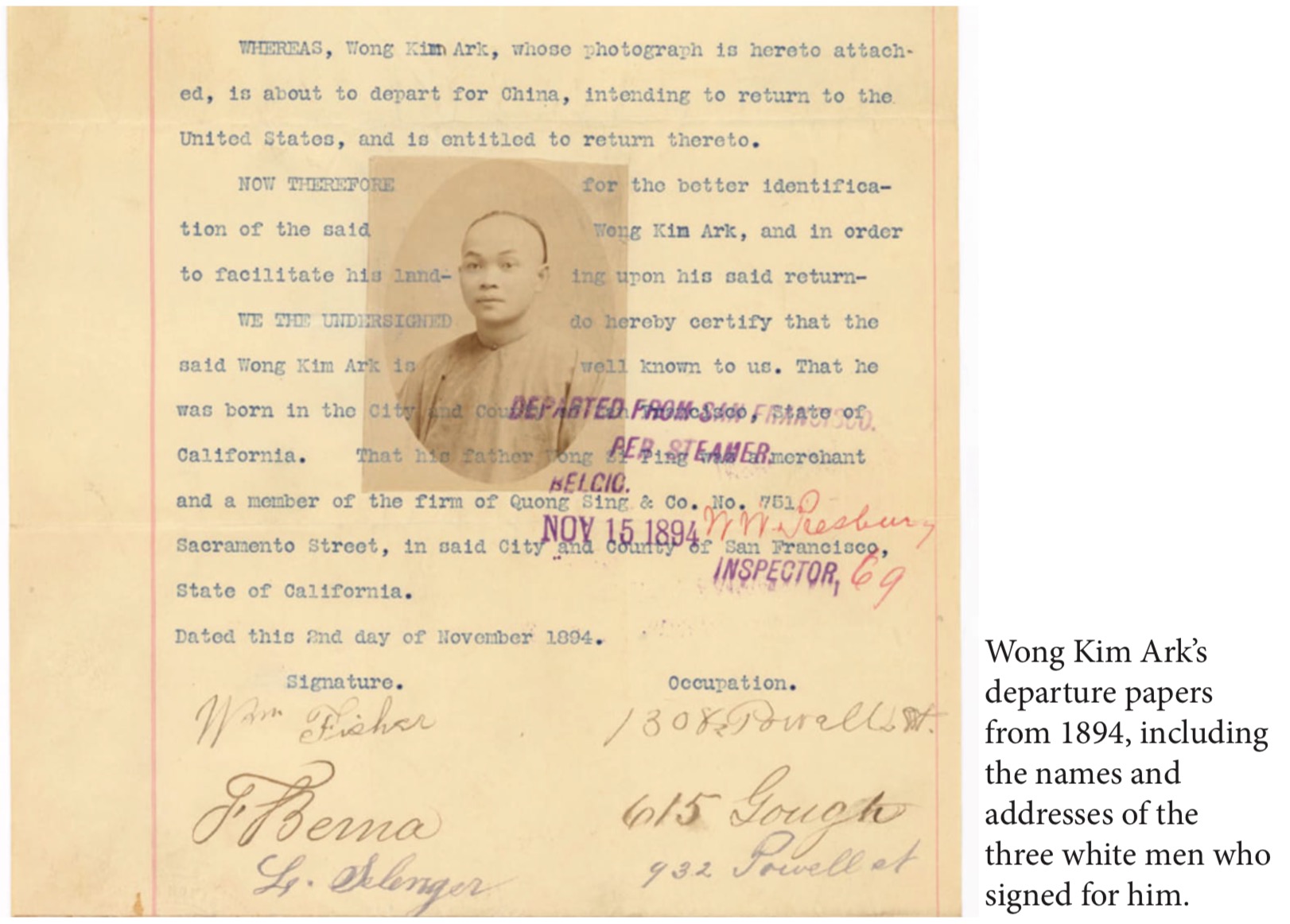
And yet, after traveling home with his parents and marrying Yee Shee, Wong Kim Ark returned to San Francisco, barely a year since he’d left, leaving his wife pregnant with his first son, Wong Yoke Fun (黃毓煥). Why? Was it because he considered San Francisco his home? Was it because he had more job opportunities in the US? At this time, Chinese immigrants were not allowed to attend public school and own land, and labor unions were actively antagonistic towards them. Wong’s departure papers had to be signed and notarized by three white men to be considered valid, and he could not bring his wife with him because the 1875 Page Act allowed customs agents to reject Chinese “prostitutes” at the port of entry. At every turn, Chinese were considered “unassimilable” even as all the laws made it so that they could not assimilate. What exactly did Wong find worth coming back to? This comic is my attempt to imagine his answer.
Wong returned to China 4 times over the course of 35 years, each time for less than a year. On his return from his second trip to China in 1894, the customs agent rejected his re-entry. The Chinese Six Companies, an umbrella organization of the major mutual aid organizations in San Francisco Chinatown, stepped in to provide legal assistance. With the help of the Chinese Six Companies’ lawyers, Wong Kim Ark took the case to the Supreme Court, who ultimately decided in his favor in 1898, affirming birthright citizenship.Given the Page Act and anti-miscegenation laws, very few children were born to Chinese immigrants, so the ruling mostly reaffirmed natural-born citizenship rights to German and Irish immigrants. However, it did allow citizens like Wong to bring his children to the US. After fire from the 1906 San Francisco Earthquake destroyed birth records, Chinese immigrants were able to claim natural born citizenship and bring in their children. The Angel Island immigration station was set up to process these new immigrants. In 1910, Wong Kim Ark’s eldest son, Wong Yoke Fun was rejected by the customs agents at Angel Island because he answered a question wrong. Wong Kim Ark didn’t try again until 1923. In 1925, he got to see his youngest son, Wong Yook Jim, for the first time. In 1931, he returned to China and did not return to the US. Wong Yook Jim was the only of his children to stay in the US, and settled in Sacramento after serving in the Marines during WWII.
Cosmic_Biscuit, Sol_Eternal, megannii, foelix, earlgreylavender, Strummer_Pinks, cricri, lelaro, NovaWeezy, MrsMxyzptlk, EvilDime, Zaniida, IvyCryptid, Neotoma, theycallme_ook, koda1537, FruitSnacc, VioletMoonDust, Rogalian, Felinix, lesbianfujoshi, xt1me, ChocoholicBec, DarkBlueDaydream, normythechemistrydragon, spn123, rainandpies_parnassus, ultramarinestitches, ChocoChipBiscuit, kalispyka, DenseMacabre, LacePrisonQueen, blooming_flower, i_felt_a_funeral_in_my_brain, Nijole, dytabytes, clawing_at_the_stars, Greengriffin, Skyler1066, JabberwockyPie, Twincityhacker, Tigerkid14, Triss_Hawkeye, SiderealCrux, Castillon02, swirlingvoid, canolacrush, Alecto, scribblingface, LaughingFate, and 111 more users as well as 59 guests left kudos on this work!