
Work Text:
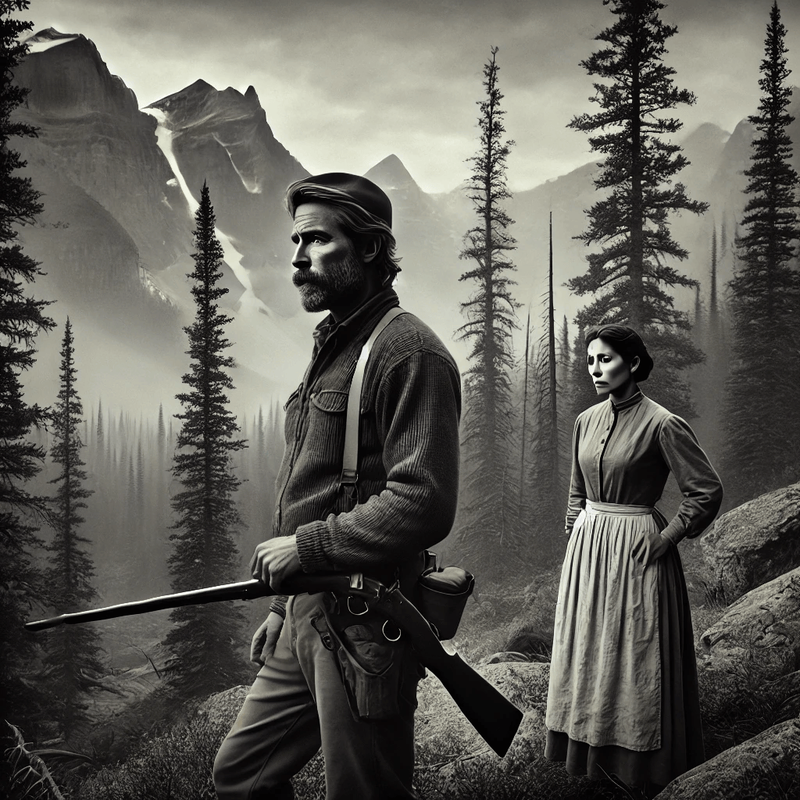
Created by independent writer and director Robert Haskell, Silver Pines was ahead of its time, offering a slow-burn narrative that focused more on character development, mood, and emotional depth than the action-packed or fast-paced dramas that were common in the late 1960s and early 1970s. The show followed the lives of the residents of a fictional town called Silver Pines, a tiny community struggling to survive in the shadow of the towering Rocky Mountains.
The show centered around a core group of characters, including Ben Hawthorne, a widowed park ranger trying to raise his two children while coping with the isolation of the wilderness, and Martha Keller, a strong but quiet woman who ran the local general store while grappling with her own unresolved past. The overarching themes of the show revolved around loss, survival, and the search for meaning in an unforgiving landscape. The town itself felt like a character, with its sweeping mountain vistas, dense pine forests, and constant sense of solitude.
Though Silver Pines was beautifully shot and well-acted, it never gained the wide audience that network executives had hoped for. The show’s slow pacing and focus on the inner lives of its characters made it a critical darling but a ratings challenge, especially when compared to the more sensational programming that was becoming popular at the time. Despite its cancellation after two seasons, those who watched it often described it as a show that stayed with them long after the credits rolled.
The theme song, composed by the enigmatic folk musician Elias Carson, captured the emotional core of the show perfectly. With its haunting lyrics and mournful melody, the theme became a hallmark of the series, setting the tone for each episode. The lyrics spoke of isolation, resilience, and the quiet, often heartbreaking beauty of life in the wilderness:
"Through the silver pines we roam,
Where the heart is cold, but the soul finds home.
In the shadows of the mountain’s cry,
We search for love, ‘neath an endless sky."
Carson, much like the show itself, never achieved mainstream success, but his work on Silver Pines earned him a small, devoted following in folk circles. The theme song was never released as a single or on an official soundtrack, which only added to its mystique. Carson, who was known for playing in small venues around Colorado, often performed the song live during his intimate shows, but like the series, it remained somewhat of an underground treasure.
The show’s final season, which aired in the winter of 1970-71, ended on an unresolved note, much to the frustration of its fans. The finale hinted at potential new storylines, including deeper explorations into Ben Hawthorne’s past and a budding romance between Martha Keller and one of the town’s newcomers, but with the cancellation looming, those storylines were never explored. This lack of resolution only fueled the show’s cult status, as viewers were left to imagine what might have been for the town of Silver Pines and its residents.
"Silver Pines" was broadcast on CBS, airing during two short runs in the colder months, which mirrored the cold, introspective atmosphere of the show itself. The first season aired from November to December in 1969, and the second season followed from December to January in 1970-71. The choice of a winter broadcast was fitting, as the harshness of the season played a crucial role in the storytelling, emphasizing the isolation and quiet struggle of the show's characters as they faced both the physical and emotional challenges of life in the small, rugged mountain town of Silver Pines.
The scheduling of the show during these months wasn’t coincidental. CBS had positioned Silver Pines as a mid-season replacement, hoping that its somber tone and contemplative pacing would capture the attention of viewers during the winter months when programming typically focused on holiday specials or high-action fare. The setting—a fictional town deep in the snowy, pine-covered mountains—was meant to evoke both the beauty and the harshness of the wilderness, something that resonated deeply during the winter season when viewers themselves were huddled in their homes, perhaps feeling a bit of the same isolation.
Each episode aired on Thursday nights, filling a unique slot in CBS’s lineup of dramas. The network hoped the show would capture the same audience that was drawn to other thoughtful, character-driven series of the time, such as The Waltons or Gunsmoke, but Silver Pines was a different beast altogether. While those shows blended sentimentality with action or family drama, Silver Pines eschewed the familiar in favor of a more meditative, often melancholic tone. Episodes were often quiet, allowing the characters' internal struggles to take center stage, with long, sweeping shots of the mountainous landscape serving as metaphors for the emotional distance between the residents of Silver Pines and the world beyond.
The first season, which aired over a brief six-week period from November to December 1969, introduced the audience to the town’s core characters. Ben Hawthorne, the widowed park ranger, and Martha Keller, the emotionally scarred general store owner, quickly became audience favorites. The show didn't shy away from difficult topics—loss, grief, loneliness, and the quiet resilience needed to survive in such an unforgiving environment. Viewers were drawn into the characters’ lives not through high-stakes drama, but through their subtle, everyday interactions—whether it was Ben struggling to connect with his children or Martha grappling with her painful past.
The second season, which aired from December 1970 to January 1971, delved deeper into the unresolved tensions left hanging at the end of the first. The cold months were central to the show’s atmosphere, with snowstorms and bitter winds becoming characters of their own, mirroring the internal battles each character faced. Episodes explored the loneliness of the long winter, as well as the harshness of rural life, with the mountain town feeling ever more isolated from the outside world.
Despite the show’s artistic strengths, Silver Pines struggled to attract a wide audience. Its contemplative pace and focus on character over plot were at odds with the faster-paced dramas and variety shows that dominated TV at the time. Ratings remained low, and after two seasons, CBS made the difficult decision to cancel the show. The final episode, which aired in January 1971, left several storylines unresolved, including a cliffhanger involving Ben Hawthorne’s family and the future of Martha Keller’s relationship with one of the town’s newer residents.
Though Silver Pines quietly faded from the CBS lineup, its legacy lived on in those who had connected deeply with its themes. In the years following its cancellation, the show developed a cult following, especially among those who appreciated its introspective nature and unique portrayal of life in a small, forgotten corner of America. Viewers often spoke of the show’s quiet beauty, its haunting exploration of isolation, and the emotional weight carried by its characters, who, like the landscape around them, seemed to be weathering a storm that might never pass.
The show’s theme song, composed by Elias Carson, also contributed to its enduring legacy. Carson’s mournful, folk-inspired melody, paired with lyrics that spoke of searching for meaning in the wilderness, became an unofficial anthem for those who longed for the kind of quiet, introspective storytelling that Silver Pines offered. Though Carson never achieved widespread fame, his work on the theme song became something of a hidden treasure, especially after The Magnetic Fields introduced it to new audiences during their 1977 performance in London.
For Scarlett and Glenda, performing the theme from Silver Pines was both a tribute to a piece of Americana they had grown up with and an act of artistic subversion, bringing something so uniquely American to a crowd of British punks and experimental music fans. The song, much like the show, captured the tension between isolation and connection, between the quiet beauty of nature and the harshness of survival—themes that resonated deeply with both musicians. In London, the song took on a life of its own, transcending its television origins to become a powerful, standalone piece of music.
Silver Pines may have only aired for two short seasons, but its impact, much like the town it portrayed, lingered long after the final episode aired. It remained a show remembered by those who valued the quiet power of its storytelling, and for those who had followed the series, it became a reminder of a time when television dared to explore the inner lives of its characters with patience, nuance, and a sense of deep emotional truth.
"Silver Pines" was a contemporary, frontier-themed drama that drew heavily from the emerging trends in revisionist and anti-Western films of the 1960s and 1970s. These films, like McCabe & Mrs. Miller and The Wild Bunch, had redefined the traditional Western genre by presenting life in the American frontier in a more complex, morally ambiguous, and gritty way. Gone were the clean-cut heroes and romanticized notions of manifest destiny; instead, these works showcased the harsh realities of survival, the blurred lines between good and evil, and the crushing weight of isolation and loss. Silver Pines followed in that tradition, presenting the American frontier as a place of hardship, struggle, and quiet perseverance rather than adventure and glory.
Set in a fictional small town deep in the Rocky Mountains during the late 1800s, Silver Pines painted a raw, unsentimental picture of life on the American frontier. It focused less on gunfights and cowboys, and more on the day-to-day survival and emotional toll of living in such an unforgiving environment. The characters in Silver Pines were not heroes in the traditional sense; they were ordinary people—ranchers, traders, miners, and homesteaders—who faced the brutal elements, dwindling resources, and the relentless demands of the land. Many had come to the frontier to escape their pasts, only to find that isolation amplified their demons rather than erased them.
The show’s creator, Robert Haskell, was a fan of revisionist Western films and wanted to bring that same sense of stark realism to television. His aim was to create a series that stripped away the mythology of the American West and instead focused on the emotional and physical struggles of the people who lived there. Haskell’s approach was simple but effective: use the sweeping, beautiful landscapes of the Rockies as a backdrop for deeply human stories of loss, love, fear, and survival.
Ben Hawthorne, the show’s central character, was emblematic of the anti-heroic figures found in revisionist Westerns. Played by veteran character actor Walter Thompson, Ben was a widowed park ranger raising his two children, Daniel and Lucy, in the wilderness near Silver Pines. The show didn't shy away from depicting the emotional and physical toll that frontier life took on Ben, who struggled not only with the land but with his own grief and feelings of inadequacy as a father. Much like the characters in McCabe & Mrs. Miller, Ben was not a savior or a traditional Western "man of action"—he was a broken man, unsure of his place in the world but determined to protect his family in whatever way he could.
Another key character was Martha Keller, the owner of the town’s general store, played by the talented but relatively unknown actress Rebecca Stokes. Martha’s character was a quiet force in the town, a woman who had fled an abusive past back East and built a life for herself in Silver Pines. But her independence came at a cost—she kept people at a distance, emotionally shut off from the community, even as she served as one of its key members. Her character was a powerful depiction of the emotional walls people build to protect themselves from the pain of the past, and her slow, tentative relationship with Ben Hawthorne became one of the emotional cornerstones of the show. Martha’s toughness and emotional complexity reflected the kinds of female characters being introduced in revisionist Westerns, who were no longer just damsels in distress but deeply flawed, resilient, and driven by their own desires and traumas.
The supporting cast was equally grounded in the harsh realities of frontier life. Reverend Amos Finch, a deeply conflicted man of the cloth who struggled with his faith in a world where survival seemed to trump morality, was a particularly striking character. His sermons were less about salvation and more about the pragmatism needed to survive in such an unforgiving world. Caleb Haskell, Ben’s older brother, represented the old ideals of the West—a former lawman whose rigid views of justice and morality clashed with the changing world around him. He served as a foil to Ben’s moral ambiguity, with their tense relationship mirroring the tension between the romanticized version of the West and the more complex reality that the show sought to portray.
Throughout the show’s two seasons, Silver Pines tackled difficult themes head-on. Life in the town was fraught with tension—whether it was over scarce resources, land disputes, or conflicts between settlers and Native American tribes. The latter was handled with more nuance than in traditional Westerns, as Silver Pines sought to depict the strained relationship between the town’s inhabitants and the nearby Indigenous people not as a simple “us vs. them” dynamic, but as a tragic result of misunderstanding, broken promises, and the larger forces of colonialism at play. There were no easy solutions, and the characters were often forced to confront their own complicity in the violence and displacement that marked the frontier’s history.
One particularly powerful storyline involved a group of miners who arrived in the second season, seeking to exploit the land for its resources. Their presence brought both economic opportunity and environmental devastation, creating a schism within the town. Ben, whose job as a park ranger was to protect the natural landscape, found himself at odds with the town’s leaders, who saw the mining operation as the town’s only chance for survival. This storyline played into the anti-Western ethos by showing that the true conflict wasn’t between "good guys" and "bad guys," but between survival and ethics, between the present and the future.
The show's cinematography drew heavily from the techniques seen in films like The Wild Bunch and Pat Garrett and Billy the Kid. Long, slow shots of the mountainous landscape were often juxtaposed with the grim, weary faces of the town’s inhabitants. The violence, when it occurred, was not glorified but shown as brutal and life-altering. Even a fistfight between two characters could carry emotional weight, as it was clear that every punch had a consequence, every drop of blood shed in the name of survival.
The revisionist approach extended to the portrayal of frontier justice. Unlike traditional Westerns where the sheriff or the lone hero would bring order to chaos, Silver Pines depicted justice as an uncertain, shifting concept. The characters were often forced to make morally ambiguous choices, and the consequences of those decisions rippled through the town, fracturing relationships and alliances.
Though Silver Pines only lasted two seasons, its grounded, revisionist take on the Western frontier earned it a devoted following. Its portrayal of the American West as a place of hardship, moral ambiguity, and emotional complexity set it apart from the more idealized Westerns of the era, and while it didn’t have the widespread popularity of those shows, it influenced a generation of TV writers and filmmakers who sought to bring more grit and realism to their own portrayals of historical and contemporary settings.
In the years following its cancellation, Silver Pines gained a cult status, particularly among fans of anti-Western cinema and television. It was praised for its willingness to depict life on the frontier not as a grand adventure, but as a daily struggle against both the elements and one’s own inner demons. Much like the characters who roamed the snowy streets of Silver Pines, viewers were left to wrestle with the show’s themes long after the final episode aired, wondering if survival could truly ever be separated from the moral choices we make along the way.
'
The plot of Silver Pines was slow and deliberate, steeped in the natural beauty and harsh realities of its setting. The show delved deeply into the lives of its characters, who were bound by the unforgiving landscape and their own internal struggles. Themes of isolation, grief, survival, and the fragile bonds between people in a world defined by physical and emotional distance dominated the narrative.
Season 1: The Foundations of Survival
The first season of Silver Pines introduced the small town and its inhabitants, all of whom were trying to carve out lives for themselves in the shadow of the towering Rockies. The town itself was barely a settlement—more of a makeshift community of survivors than a thriving hub. Silver Pines was founded in the wake of the Gold Rush, a town that never quite grew into the booming success its founders had hoped. By the time the series begins, Silver Pines has settled into a state of quiet decay, held together by a fragile sense of community and the shared struggle of simply surviving in such a remote, unforgiving location.
At the heart of the show’s narrative was Ben Hawthorne, played by veteran character actor Walter Thompson. Ben, a widowed park ranger, is a man deeply connected to the land, but haunted by his own past. After losing his wife to an illness, Ben is left to raise his two young children—Daniel and Lucy—alone. His love for the wilderness is both his salvation and his curse, as the vast, empty spaces of the forest offer him a sense of peace but also amplify his loneliness and grief.
The first season followed Ben’s struggle to balance his responsibilities as a father with his duties as a park ranger, which often pulled him away from the town and deeper into the wilderness. Ben was a deeply stoic figure, a man of few words, but his internal emotional life was rich and complex, shaped by the loss of his wife and the weight of raising his children in such a harsh environment. His relationship with his children, particularly his teenage son Daniel, was central to the show. Daniel, resentful of his father’s emotional distance and absence, often acted out, leading to conflicts that became more pronounced as the season progressed.
Another central character was Martha Keller, played by Rebecca Stokes, a tough but emotionally scarred woman who ran the town’s general store. Martha had come to Silver Pines to escape her own traumatic past in the East, fleeing an abusive marriage and reinventing herself in the isolated wilderness. Her tough exterior concealed a deep well of pain, and much of the first season revolved around her slowly forming a bond with Ben. Both deeply private and wounded, their relationship was marked by a mutual understanding of loss and survival, though neither was willing to admit their growing feelings for one another.
Martha’s general store became a central hub in the town, a place where the various characters interacted, shared stories, and sometimes clashed. It was in these small, everyday moments—discussing the weather, bartering for goods, or simply seeking a place to warm up by the fire—that the show found its emotional depth. Silver Pines was not a place of dramatic gunfights or high-stakes showdowns, but rather a quiet, meditative space where the real drama came from the characters’ internal struggles and the small moments of connection or tension that arose from living in such close quarters.
The first season also introduced a number of supporting characters, each of whom added layers to the town’s fragile social fabric. Caleb Haskell, a former lawman and Ben’s older brother, arrived in town in the middle of the season, bringing with him a rigid sense of morality that clashed with the more nuanced, morally gray world of Silver Pines. Caleb’s presence added tension to the town, particularly as he butted heads with Ben, whose pragmatic approach to justice often put him at odds with Caleb’s black-and-white view of the world.
There was also Reverend Amos Finch, a deeply conflicted preacher who had lost his faith in God but remained the spiritual leader of the town by default. His sermons were more about the struggle for survival than salvation, and his personal demons were reflected in his strained relationship with his congregation. Amos’s internal battle with faith, and his growing sense of nihilism, became one of the show’s more philosophical threads.
Throughout the first season, the show explored themes of isolation and community, as the characters were forced to confront not only the harshness of their environment but the emotional toll of living in such a remote place. Relationships were tenuous, built on necessity as much as affection, and the show took care to depict the small, quiet ways in which people formed bonds or pushed each other away.
Season 2: Darkness on the Horizon
The second season of Silver Pines shifted the focus from survival to the moral dilemmas faced by the town’s inhabitants as external forces began to encroach on their isolated world. This season introduced new threats, both natural and manmade, that challenged the fragile peace of Silver Pines and forced the characters to reckon with their own pasts and choices.
One of the central conflicts of the season revolved around a group of miners who arrived in Silver Pines, looking to exploit the area’s natural resources. Led by the ambitious and morally ambiguous Elias Baxter, the miners’ presence immediately created tension in the town. The miners promised economic prosperity, but their methods—deforestation, digging up the land, and displacing wildlife—threatened the natural environment that Ben Hawthorne was sworn to protect.
Ben, torn between his duty as a park ranger and the practical needs of the town, found himself at odds with many of the town’s leaders, who saw the mining operation as a necessary evil that could bring wealth to Silver Pines. Ben’s conflict with the miners was not just about the land; it was also a reflection of his own internal battle between maintaining the delicate balance of nature and the harsh realities of survival. His opposition to the miners put him in direct conflict with his brother Caleb, who believed that the economic boost from the mining operation was worth the environmental cost.
Martha Keller, who had grown closer to Ben by this point, was also pulled into the conflict, as her store became a flashpoint for the growing tension between the townspeople and the miners. Martha’s past trauma resurfaced as she grappled with the prospect of another powerful, exploitative man coming into her life, threatening the stability she had worked so hard to build. Her relationship with Ben deepened, though their bond remained fraught with unspoken emotions and the looming threat of loss.
The second season also expanded on the character of Daniel Hawthorne, Ben’s teenage son, who began to take on a more central role in the story. Daniel’s rebellion against his father escalated, fueled by his resentment over Ben’s emotional distance and his own desire for independence. Daniel became involved with the miners, seeing them as a way to escape his father’s shadow and make a name for himself. This decision put him in direct conflict with his father, leading to one of the season’s most emotionally charged storylines as the two men, both stubborn and wounded, clashed over the future of the town and their relationship.
As the season progressed, it became clear that the town of Silver Pines was on the brink of collapse—not just because of the external pressures of the mining operation, but because of the internal fractures that had been growing within the community. Reverend Amos Finch’s crisis of faith deepened, leading him to a dark, existential breaking point. His sermons became more nihilistic, and his role as the town’s spiritual leader began to crumble, leaving the townspeople without guidance in an increasingly chaotic world.
The season built to a dramatic climax as the miners’ exploitation of the land led to a natural disaster, with a series of floods and landslides devastating the town. The disaster served as both a literal and metaphorical representation of the town’s fragility, as the characters were forced to confront not only the physical destruction of their home but the emotional and moral consequences of their actions.
In the final episodes, the characters faced the reality that Silver Pines might not survive—either as a town or as a community. The season ended on an unresolved note, with the town in ruins and the relationships between the characters fractured but still holding on by a thread. Ben Hawthorne, left standing in the midst of the destruction, looked out over the wreckage of both the land and the community, unsure of what the future held but knowing that he, and the others, would have to rebuild or leave it behind.
A Legacy of Complexity
Though Silver Pines only lasted two seasons, it left a lasting impact on its small but devoted audience. The show was praised for its complex characters, its willingness to explore the moral ambiguities of life on the frontier, and its rejection of the romanticized version of the American West that had dominated television for so long. Instead of portraying the frontier as a place of endless opportunity, Silver Pines presented it as a place of endless struggle, where survival came at a cost and the line between right and wrong was constantly shifting.
Its revisionist take on the Western genre, combined with its slow-burn storytelling and emotional depth, made it a cult classic, remembered fondly by those who appreciated its quiet power and its willingness to engage with the darker sides of the American myth.
"Silver Pines" was notable for its sympathetic and nuanced portrayal of Native Americans, a rarity in Western-themed television at the time. This perspective was heavily influenced by the show's creator, Robert Haskell, who was deeply committed to presenting a more honest and respectful representation of Native American peoples. Unlike many Westerns that portrayed Native Americans as either violent antagonists or romanticized, one-dimensional characters, Silver Pines aimed to explore their complex relationship with the land and the settlers encroaching upon it.
Haskell’s decision to approach Native American representation with such care and sensitivity was rooted in his extensive personal research, which involved both reading historical accounts and speaking directly with Native communities. Haskell was aware of the problematic tropes that had long dominated the Western genre, where Indigenous people were often portrayed as obstacles to white settlers’ progress. He wanted to challenge this narrative by showing the deep connections that Native American cultures had with the land and highlighting the injustices they faced due to the westward expansion of European settlers.
Haskell’s Research and Personal Engagement
Haskell’s personal research into Native American history and culture began long before the creation of Silver Pines. He was fascinated by the complexity of the frontier and wanted to understand not just the lives of the settlers but also the perspectives of the Indigenous peoples who had lived on the land long before European colonization. Haskell believed that to tell an authentic story of life in the American West, one had to understand the full picture, which included acknowledging the suffering and resilience of Native American communities.
Haskell spent years reading both historical texts and personal accounts of Native American experiences during the 19th century. He was particularly drawn to works like Dee Brown’s "Bury My Heart at Wounded Knee", which told the story of westward expansion from the perspective of Native Americans, and Vine Deloria Jr.’s "Custer Died for Your Sins", which critiqued the myths surrounding Native American identity. These works shaped Haskell’s understanding of how Indigenous people were affected by U.S. government policies, such as forced relocation, broken treaties, and cultural erasure, and he sought to reflect these realities in the show.
But Haskell didn’t stop at reading. He believed that to truly understand the Indigenous perspective, he needed to hear directly from Native American communities. Haskell made a concerted effort to meet with Native leaders, historians, and families during the development of Silver Pines. He visited reservations in the American West, speaking with elders and listening to their stories of survival, resilience, and loss. These conversations had a profound impact on Haskell, deepening his commitment to portraying Native Americans as fully realized, multidimensional characters in his show.
Portrayal of Native Americans in "Silver Pines"
The Native American characters in Silver Pines were not reduced to stereotypes or mere plot devices. Instead, they were treated as vital members of the story, with their own struggles, hopes, and histories. The show made it clear that Native Americans were not “others” to be feared or vanquished, but rather people who had a deep and sacred relationship with the land that the settlers were beginning to claim. The tension between settlers and Indigenous people was not presented in simplistic terms of good versus evil, but rather as the tragic outcome of colonization, broken treaties, and conflicting worldviews.
One of the central Native American characters introduced in the first season was Chayton, a young Cheyenne man whose family had been displaced by the U.S. government. Chayton’s role in the story was central to the show's exploration of the frontier as a contested space. While the settlers in Silver Pines were struggling to survive in the harsh wilderness, Chayton and his family were facing a different kind of survival—one marked by forced displacement, loss of traditional lands, and the slow erosion of their way of life.
Chayton’s character was portrayed with great depth. He was not a warrior out for revenge, but a man torn between honoring the traditions of his people and navigating the new realities forced upon him by colonization. He formed an unlikely friendship with Ben Hawthorne, the show’s protagonist, and their relationship became a key emotional thread throughout the series. Though their initial interactions were fraught with tension, as Ben represented the encroaching settler presence, the two men came to understand that they shared a deep respect for the land and a sense of grief for what had been lost.
In one of the most powerful episodes of the first season, titled "The Long Winter," Chayton and his family faced starvation after the U.S. government failed to deliver promised supplies to their reservation. Ben, witnessing the suffering of the Cheyenne firsthand, was forced to confront his own complicity in the settlers' role in displacing Native people. This episode, which was based on real historical accounts of the U.S. government’s failure to honor treaties with Native tribes, was praised for its emotional depth and for humanizing a group that had often been dehumanized in frontier narratives.
Through Chayton’s story, Silver Pines highlighted the complexities of Native-settler relations, exploring not only the conflict but also moments of solidarity, understanding, and shared survival. The show refused to paint a black-and-white picture of frontier life. Instead, it portrayed both the settlers and the Native Americans as victims of a larger system of greed and expansionism, while also holding each group accountable for their actions.
Historical Accuracy and Consultation
One of the reasons Silver Pines was able to portray Native American characters with such nuance was because of Haskell’s dedication to historical accuracy and his insistence on consulting with Native advisors throughout the writing process. While the show took creative liberties with its fictional setting, it remained grounded in real historical events, particularly when it came to the treatment of Native Americans during the 19th century.
Haskell worked closely with Native historians and cultural consultants to ensure that the portrayal of Indigenous characters, their customs, and their relationships to the land were respectful and accurate. He sought input on everything from traditional clothing and language to ceremonial practices, making sure that the show honored the richness and diversity of Native American cultures rather than reducing them to clichés.
One of the most impactful aspects of the show was its exploration of the treaty system and the broken promises made by the U.S. government to Native tribes. In several episodes, the Cheyenne and other Indigenous groups in the region were shown grappling with the devastating consequences of these broken agreements—being forced off their lands, struggling to survive on meager rations, and watching as their way of life was systematically dismantled. The show didn’t shy away from depicting the harsh realities of these betrayals, and Haskell made it clear that the settlers in Silver Pines, though sympathetic, were also part of the problem.
The complexity of the relationship between the settlers and the Native Americans was also reflected in the show’s moral ambiguity. Ben Hawthorne, who in many ways represented the best of frontier values—resilience, independence, and a love for the wilderness—was forced to confront the fact that his presence, and the presence of settlers like him, was contributing to the displacement and suffering of the Indigenous people. This internal conflict became a central part of his character’s development, and his relationship with Chayton was marked by a deep sense of guilt and the desire to find common ground.
Impact and Legacy
Though Silver Pines was short-lived, its portrayal of Native Americans left a lasting impression on both its audience and future television creators. The show was praised for challenging the simplistic narratives that had long dominated the Western genre, offering a more nuanced, historically informed perspective on the impact of westward expansion on Indigenous peoples.
Haskell’s personal dedication to telling the story of Native Americans with honesty and respect made Silver Pines a groundbreaking series in its portrayal of frontier life. While many Westerns of the time depicted Native Americans as either violent enemies or noble savages, Silver Pines offered a fuller, more human portrayal—one that acknowledged the pain of displacement, the strength of Native cultures, and the shared humanity between settlers and Indigenous people, despite the historical injustices that had been done.
For Haskell, the show was a deeply personal project, one that reflected his own journey of learning and empathy. In interviews, he often spoke about how his research and conversations with Native Americans had profoundly changed his perspective, giving him a greater appreciation for their resilience and a deeper understanding of the historical wrongs that had been committed.
"History isn’t simple," Haskell said in one interview. "The more you dig into it, the more you realize how many stories have been buried, how much pain has been overlooked. If we’re going to tell stories about the frontier, we have to tell all the stories—not just the ones that make us feel good."
Though Silver Pines only lasted two seasons, its legacy as a show that respected the complexity and humanity of Native American characters remains significant. For many, it was a rare and early example of television using the Western genre to tell the full, often uncomfortable, truth about America’s past.
"Silver Pines" was a show born from modest means, yet it became a testament to how artistic vision can thrive, even under financial constraints. The series was shot entirely in black and white, a deliberate choice by its creator, Robert Haskell, to give the show a more timeless, starkly atmospheric feel. Though the network initially intended the show as nothing more than schedule filler—a low-budget drama to round out their programming—Haskell had much larger ambitions. He envisioned Silver Pines as an artistic exploration of life on the American frontier, deeply rooted in human struggles, moral ambiguities, and the harsh beauty of the wilderness.
A Modest Budget and Artistic Vision
With a relatively low budget, Haskell was forced to be resourceful, carefully allocating the show's limited funds to maximize its visual and emotional impact. While many other TV productions at the time might have cut corners, Haskell made sure to spend where it truly mattered. Instead of flashy sets or special effects, he invested heavily in the cinematography and editing, understanding that the visual storytelling and pacing of the series would be critical in setting the tone of Silver Pines.
Haskell hired a strong cinematographer, someone who shared his vision for a visually arresting, artful take on the Western genre. The cinematographer, though working with limited equipment, used natural light, shadows, and the stark contrast of black and white to create a rugged, almost minimalist aesthetic. The shots of the wilderness, with its towering pine trees, rugged mountains, and expansive skies, became characters in their own right, emphasizing the isolation and emotional landscapes of the characters.
Haskell believed that by shooting in black and white, the show would strip away any sense of romanticized nostalgia often associated with the frontier, instead portraying the West in its most raw, unvarnished form. The decision also served a practical purpose: black and white film was cheaper than color at the time, which helped keep costs down. But for Haskell, this decision was more than just a financial one; it was about creating a visual mood that would emphasize the starkness of frontier life, both physically and emotionally.
Collaborative Editing
Editing was another area where Haskell made careful use of his budget. He hired two editors, each with a unique style, and worked closely with them to ensure that Silver Pines captured the slow, contemplative rhythm he had in mind. The pacing of the show was intentionally deliberate, designed to reflect the often tedious, difficult pace of life in the wilderness. Haskell wanted to give the show’s audience space to breathe, to feel the weight of each moment, much like the characters in the story did.
Though Haskell was not a trained editor himself, he had a keen sense of storytelling and brought his instincts into the editing room. He was deeply involved in shaping each episode’s final cut, paying attention to how each scene flowed into the next, how long the camera lingered on a character’s face or a desolate landscape. The quiet moments—the pauses between dialogue, the shots of characters staring into the distance—were just as important as the more dramatic sequences. Haskell saw these pauses as vital, reflecting the isolation and emotional weight that defined the lives of the characters in Silver Pines.
Haskell’s collaboration with the editors wasn’t about micromanagement, but about pushing boundaries. He wanted the editing process to challenge conventional TV structure, to experiment with pacing and mood in ways that would expand the horizons of everyone involved in the production. His goal was for Silver Pines to be an artistic piece, something that transcended its role as just another TV show. It wasn’t meant to fill a slot in the network’s lineup—it was intended to leave a lasting impact on those who watched it.
A Creative and Artistic Challenge
Though the network had low expectations for Silver Pines, seeing it as a cost-effective way to round out their programming, Haskell approached the show with the seriousness and creativity of an auteur. His goal was to create a piece of art that made people think, challenged traditional Western tropes, and dug deeply into the emotional lives of its characters. Haskell wasn’t interested in the action-packed, romanticized versions of the West that audiences were used to. Instead, he sought to create something meditative, introspective, and grounded in the harsh realities of frontier life.
The show’s minimalist budget forced the team to rely on creativity over spectacle. There were no grand, sweeping vistas or elaborate stunts. The show’s impact came from its intimate portrayal of human beings struggling to survive—not just physically, but emotionally. Each episode felt like a small, self-contained story about the inner lives of the characters, who were as rugged and unforgiving as the landscape around them.
Haskell saw Silver Pines as an opportunity for expanding horizons—not just his own, but those of the cast, crew, and the audience. He encouraged experimentation, allowing the cinematographer and editors to take creative risks, giving actors room to explore their characters’ depths, and letting the show unfold at its own pace. This was a rarity in television at the time, where most shows were churned out quickly, following strict formulas. Haskell, however, approached each episode like a short film, with each frame and cut carefully considered.
A Cult Classic Born of Artistic Integrity
Though Silver Pines was not a commercial success in its time, it later became a cult classic, beloved by those who appreciated its artistic integrity and bold departure from the formulaic television of the era. Viewers who discovered the show after its original airing were struck by how different it felt from other Westerns—how it focused on the emotional and psychological struggles of its characters rather than on gunfights or cattle drives. The show’s slow pace, its sparse dialogue, and its beautiful black-and-white cinematography all contributed to an atmosphere that was more akin to an art-house film than a typical TV drama.
Haskell’s careful stewardship of the show’s limited resources paid off. By spending the budget thoughtfully—hiring a talented cinematographer and working closely with the editors—he ensured that Silver Pines became something much more than the network had intended. His vision for the show, coupled with his collaborative spirit, resulted in a series that challenged the boundaries of television and created a lasting legacy as a rare and thoughtful piece of Western storytelling.
Silver Pines remains an example of how a project with humble means can still achieve greatness through creativity, vision, and a commitment to pushing the boundaries of the medium. Robert Haskell’s dedication to his craft transformed what could have been a forgettable, low-budget series into a work of art that continues to be admired for its artistic ambition and emotional depth.
The legendary director John Ford, known for his iconic Westerns like The Searchers and Stagecoach, surprised many in the film and television industry when he became one of the most vocal fans of the short-lived but critically acclaimed series "Silver Pines." Ford, who had spent decades shaping the mythology of the American West on screen, was captivated by the unique, introspective approach that Robert Haskell brought to the frontier genre. While Ford’s work often portrayed sweeping landscapes and larger-than-life heroes, Silver Pines took a different route, focusing on the quiet struggles of ordinary people against the backdrop of the unforgiving wilderness. Ford recognized something special in the series, and he wasn’t shy about expressing his frustration when CBS executives cut the show short after only two seasons.
Ford’s Unexpected Admiration for Silver Pines
John Ford’s appreciation for Silver Pines was perhaps surprising to some. By the early 1970s, Ford was in the twilight of his career, a living legend who had defined the cinematic language of the Western for generations. His films were known for their grand vistas, morally complex protagonists, and mythic narratives about the American West. Silver Pines, by contrast, was more intimate, more grounded in reality. It eschewed the romanticism of traditional Westerns in favor of a revisionist approach that emphasized the harsh realities of frontier life. It was a deeply contemplative piece, using its black-and-white cinematography to evoke a sense of timelessness and emotional weight.
Ford, known for his no-nonsense persona and sometimes gruff demeanor, was surprisingly moved by the quiet brilliance of Silver Pines. In interviews and private conversations, Ford often spoke of how Silver Pines had reminded him of the early days of his own career, before the Hollywood machine had fully taken over the Western genre. He admired how Haskell had used the limited resources of television to create something artful, something that challenged the conventional narratives of the frontier.
Ford was particularly struck by the show's emphasis on character over spectacle. In Silver Pines, the landscape was not merely a picturesque backdrop for adventure but a living force that shaped the lives of the characters. The slow, deliberate pacing and attention to the emotional lives of the settlers mirrored some of Ford’s more reflective films, such as The Grapes of Wrath and My Darling Clementine. He saw in Silver Pines a continuation of the Western as a vehicle for exploring human struggle, isolation, and survival—but with a freshness and depth that Ford hadn’t seen in recent years.
Ford’s Public Praise for the Show
In the years following Silver Pines’ cancellation, Ford made several public statements praising the series, often speaking in interviews about how it had pushed the boundaries of the Western genre on television. During a 1974 interview with The Hollywood Reporter, Ford openly expressed his admiration for the show’s visual style and storytelling approach. He singled out Haskell’s decision to shoot the series in black and white as a stroke of genius, calling it “a brave choice that brought the rawness of frontier life into sharp relief.”
“I thought I’d seen everything a Western could be,” Ford said in the interview, “but then along comes this quiet little show, shot on a shoestring budget, and it manages to say more about the West than half the films Hollywood’s been putting out in the last ten years.”
Ford’s endorsement of Silver Pines carried significant weight. As one of the most influential figures in Hollywood, his words could make or break reputations, and his public praise for the series drew renewed attention to it, even after its cancellation. Many in the film and TV industry, who might have otherwise overlooked the show, began to revisit Silver Pines based on Ford’s recommendation.
Ford Criticizes CBS for Canceling the Show
But Ford’s praise for Silver Pines didn’t stop with compliments for its creators. He was deeply critical of CBS executives for their decision to cancel the series after only two seasons, a move that Ford believed was driven by the network’s short-sighted focus on ratings rather than artistic merit. In the same Hollywood Reporter interview, Ford didn’t hold back, launching into a scathing critique of the network’s leadership.
“They didn’t know what they had,” Ford said, his voice reportedly filled with frustration. “Those suits over at CBS—they think they know what people want, but all they care about is numbers. They had something beautiful on their hands, something that could have gone down as one of the greats, and they let it slip through their fingers because it wasn’t flashy enough for them.”
Ford went on to accuse the network of “chasing trends” instead of allowing Silver Pines to find its audience. He argued that the series had the potential to become a classic, but it needed time to grow. “These things take time,” he said. “People don’t always recognize something great right away. But CBS—they didn’t care about that. They wanted instant success, and when they didn’t get it, they pulled the plug.”
In private conversations with friends and colleagues, Ford was reportedly even more blunt, calling the CBS executives “a bunch of bean counters who wouldn’t know good storytelling if it bit them on the nose.” His disappointment was palpable, not just because he believed in the show’s artistic value, but because he felt it represented a missed opportunity for the Western genre to evolve on television.
Ford’s Influence and the Cult Status of Silver Pines
Though CBS’s cancellation of Silver Pines was final, Ford’s public support helped the show gain a second life. His endorsement brought new viewers to the series through reruns and bootleg copies that began circulating in film schools and among Western aficionados. While it never achieved mainstream success, Silver Pines developed a cult following among those who appreciated its quiet, artistic approach to storytelling.
Film historians began to look at Silver Pines in a new light, recognizing it as a precursor to the revisionist Western movement that would come to dominate the genre in the years that followed. Critics who had initially overlooked the show returned to it with fresh eyes, and many credited Ford’s praise as the reason they took a second look. The show’s black-and-white cinematography, its deliberate pacing, and its emphasis on character-driven drama were seen as ahead of their time—qualities that would influence later Western films and series like Deadwood and Unforgiven.
Ford’s admiration for the show also solidified Robert Haskell’s reputation as a serious artist, even though Silver Pines had been dismissed by many during its original run. Haskell, who had always intended the show to be more than just television filler, was humbled by Ford’s support. He had long admired Ford’s work, particularly the way Ford had balanced the mythic qualities of the American West with the harsh realities of frontier life. To have Ford recognize his own work in the same light was the highest compliment Haskell could imagine.
In later interviews, when asked about Ford’s praise for Silver Pines, Haskell would downplay his own contributions, instead focusing on how Ford had been a major influence on him. “John Ford understood the West in a way few others did,” Haskell said in a 1980 interview. “To hear him say that Silver Pines had touched on something true, something real—that meant the world to me.”
Ford’s Legacy and Silver Pines
By the time of his death in 1973, John Ford had already left an indelible mark on the world of cinema. His championing of Silver Pines became one of the final acts of his storied career, a gesture that not only validated Haskell’s work but also elevated the series to a status it might never have achieved on its own.
Ford’s comments about CBS and its executives became part of the show’s lore. The story of how Silver Pines had been prematurely cut down by short-sighted network decision-makers, only to be resurrected by the support of one of the greatest filmmakers in history, added to the mystique surrounding the show. Today, Silver Pines is remembered not just as a beautifully crafted Western, but as a show that was ahead of its time—a hidden gem that nearly slipped into obscurity, saved in part by the voice of a legend who saw the potential in its quiet brilliance.
Though Silver Pines remains a cult classic rather than a mainstream hit, John Ford’s passionate defense of the series ensured that it would not be forgotten. His belief in the importance of art over commerce, and his willingness to publicly criticize those who valued one over the other, cemented his reputation not only as a master of cinema but as a fierce advocate for meaningful storytelling. In his final years, Ford became a champion for the kind of thoughtful, nuanced work that Silver Pines represented, and in doing so, he helped secure its place in the history of the Western genre.
By 2024, the last surviving member of the cast and crew of the beloved, short-lived television series Silver Pines was Margaret “Maggie” Cain, who had worked as a young production assistant on the show. Now in her early 90s, Maggie had been just 18 years old when she joined the set of Silver Pines in 1969, eager to learn about the film and television industry. Over the years, she had built a rich life, both in and out of Hollywood, but she always credited her time on Silver Pines as the moment she truly fell in love with storytelling and filmmaking.
Despite her advanced age, Maggie remained sharp, lively, and deeply nostalgic, frequently sharing her memories of the series, its visionary creator Robert Haskell, and the incredible cast and crew that made the show such a special experience. She had become something of an unofficial historian of Silver Pines, keeping alive the legacy of the show through her vivid recollections, preserved letters, and rare behind-the-scenes photographs.
Joining the Production
Maggie had joined Silver Pines as a fresh-faced high school graduate from a small town near San Francisco. She had dreamed of working in film and television but had little experience beyond her school’s theater productions. Her big break came when a family friend, who worked in the CBS offices, recommended her for a production assistant role on the new, experimental series being helmed by Robert Haskell. It was a small role—running errands, making coffee, helping to organize scripts—but for Maggie, it felt like stepping into another world.
She remembered Robert Haskell as a deeply focused and kind leader, someone who treated even the youngest and least experienced crew members with respect. “He never looked down on us,” Maggie would say in interviews decades later. “To Robert, every person on that set had a role to play, and he made you feel like what you were doing mattered.”
Maggie was struck by the intensity and artistry that Haskell brought to the series. Even as a production assistant, she felt that she was part of something important, something more than the usual television fare. “He wanted to make something that would linger, that would feel real and true,” Maggie recalled. “And even though the show was cut short, I think he achieved that.”
Memories of the Set
Maggie’s recollections of the Silver Pines set painted a picture of a hardworking, tight-knit team. The production was challenging due to its limited budget, but Maggie described the atmosphere as one of creative camaraderie, driven by Haskell’s vision and the cast’s dedication to their craft. She often reminisced about the cinematographer, Rico Bellini, whose eccentric, gestural directing style fascinated her. “Rico didn’t talk much, but when he did, you listened,” Maggie said. “And when he didn’t talk, he was a master of communicating with his hands and his eyes. Watching him work was like watching a painter bring a canvas to life.”
Maggie also developed warm relationships with several cast members, including Lee Remick, whom she admired greatly. Remick’s professionalism and generosity left a lasting impression on young Maggie, who often ran lines with the actress during breaks. “Lee was a star in every sense of the word,” Maggie said. “But she never made you feel small. She always had time for you, always encouraged you.”
After Silver Pines
When Silver Pines was canceled after its second season, Maggie was heartbroken. “We all felt like we were just getting started,” she said. “There was so much more story to tell.” Still, the experience had solidified her passion for storytelling, and she decided to pursue a career in television production. Over the years, Maggie worked on numerous projects, steadily climbing the ranks to become a producer. While she was proud of her later accomplishments, she always regarded Silver Pines as the most meaningful experience of her career.
Maggie stayed in touch with many of her former colleagues, including Robert Haskell and Lee Remick, exchanging holiday cards and occasionally visiting Haskell and his wife, Natalie Wood, at their Big Sur home. She attended reunions organized by cast and crew members and remained an ardent supporter of preserving the show’s legacy, even as time passed and many of her colleagues moved on or passed away.
Preserving the Legacy
As the decades went by, Maggie became the go-to person for those seeking information about Silver Pines. She had kept journals during her time on the set, detailing everything from production challenges to casual conversations with the cast. Her personal collection included rare photographs, original scripts, and even handwritten notes from Robert Haskell, who had once thanked her for her hard work with a heartfelt letter.
In the 1990s, Maggie collaborated with a film historian to produce a documentary about Silver Pines, highlighting its groundbreaking approach to storytelling and its sympathetic portrayal of marginalized communities, including Native Americans and African Americans. The documentary, titled “Silver Pines: The Show That Changed the West,” was well-received and helped spark renewed interest in the series.
Life in Her Later Years
By 2024, Maggie lived a quiet life in a small home near Monterey, California, not far from the Big Sur cliffs where Haskell and Natalie Wood had lived. She often hosted visitors—fans of the show, journalists, and family members—who wanted to hear her stories about the making of Silver Pines and her reflections on its lasting impact. Despite her age, Maggie remained active in community events, giving talks at local libraries and schools about her experiences in Hollywood and the lessons she had learned about perseverance, creativity, and collaboration.
Maggie took particular pride in mentoring young women interested in film and television production, just as others had mentored her when she was starting out. “Robert and Lee believed in me when I was just a kid with a clipboard and a dream,” she often said. “If I can pass even a little of that encouragement forward, then I’m doing something worthwhile.”
A Living Connection to a Bygone Era
As the last surviving member of the Silver Pines cast and crew, Maggie Cain represented a living connection to an era of television that had left an indelible mark on those fortunate enough to experience it. Her stories and memories kept the spirit of the show alive, ensuring that its themes of resilience, humanity, and justice would continue to inspire new generations. For Maggie, preserving the legacy of Silver Pines was not just a duty—it was a way of honoring the people who had shaped her life and the principles they had all stood for.
Reflecting on her life and career in her final years, Maggie often said, “Silver Pines was more than a TV show. It was a family, a lesson, and a dream. And I’m so grateful I got to be part of it.”
1970s: Early Losses
1971 – Robert Haskell’s Father, Henry Haskell (Consulting Historian): Henry Haskell, who had contributed historical insights to Silver Pines, passed away shortly after the show’s second season ended. A retired professor of American history, Henry had been a source of inspiration for Robert, helping him craft the show’s nuanced and authentic historical backdrop.
1980s: A Decade of Change
1981 – Rico Bellini (Cinematographer): The enigmatic Italian cinematographer who shaped Silver Pines’ stark and atmospheric visuals died at the age of 72. Rico had suffered a heart attack while working on a documentary project in southern Italy. His death was deeply felt by Robert Haskell, who considered Rico one of the key architects of the show’s artistic vision.
1985 – Lee Remick (Lead Actress, Anna Sheridan): Lee Remick, who played the resilient and complex Anna Sheridan, passed away at the age of 55 from cancer. Remick’s portrayal of Anna was widely praised for its emotional depth, and her death was a profound loss to her fans and former colleagues, particularly Haskell, who considered her one of his closest friends and collaborators.
1990s: Farewells to Pioneers
1991 – Elias Carson (Guest Actor, Season 1): Elias Carson, a reclusive African-American folk singer who guest-starred as a wandering musician in a pivotal Season 1 episode, passed away at the age of 74. His character’s haunting songs had been written and performed by Carson himself, adding a unique layer to the show’s narrative.
1993 – Jean Barlow (Costume Designer): Jean Barlow, the costume designer responsible for Silver Pines’ authentic and minimalist wardrobe, died in a car accident at age 61. Her work on the show was celebrated for capturing the grit and realism of life in the frontier, and she remained a mentor to young designers until her untimely death.
1997 – Charles “Charlie” Garrison (Supporting Actor, Sheriff Donovan): Charlie Garrison, who portrayed the conflicted town sheriff, passed away at age 78 from natural causes. A veteran of stage and screen, Garrison was beloved for his ability to bring gravitas and humanity to every role he played.
2000s: The Passing of Visionaries
2001 – Robert Haskell (Creator and Showrunner): The heart and soul of Silver Pines, Robert Haskell, passed away at age 69 from a sudden stroke while walking his property in Big Sur. Haskell’s death marked the end of an extraordinary creative journey, and he was mourned by his family, friends, and fans who admired his storytelling and activism.
2006 – Natalie Wood (Frequent Guest Star): Natalie Wood, who had been married to Haskell and appeared in a recurring role on Silver Pines as a traveling nurse, passed away at the age of 68. Her death marked the loss of a Hollywood icon and a tireless advocate for women in film.
2009 – Samuel Ortiz (Prop Master): Samuel Ortiz, the prop master who ensured Silver Pines was as authentic as possible, passed away at age 85. Ortiz was celebrated for his meticulous attention to detail, often crafting props by hand to match historical descriptions.
2010s: The Quiet End of an Era
2011 – Gloria Peters (Writer, Season 2): Gloria Peters, one of the few female writers on Silver Pines, passed away at age 82. Peters had contributed some of the show’s most heartfelt and character-driven episodes, and she later became a mentor to young screenwriters.
2014 – Alan Yates (Composer): Alan Yates, the composer responsible for Silver Pines’ sparse yet evocative score, died at age 88. Yates’ work was pivotal in setting the tone for the series, blending folk instrumentation with moments of haunting silence.
2017 – Roger Fields (Actor, Sam Douglas): Roger Fields, who played Anna’s steadfast yet tragic husband Sam, passed away at age 90. His portrayal of Sam was one of quiet strength and vulnerability, making him a fan favorite.
2020s: A Vanishing Generation
2021 – Teresa Dunn (Script Supervisor): Teresa Dunn, who worked tirelessly to maintain continuity and consistency on the Silver Pines set, passed away at age 86. Dunn was known for her sharp eye and meticulous organization, qualities that earned her respect throughout the industry.
2022 – William “Billy” Cavanaugh (Child Actor, Caleb Sheridan): Billy Cavanaugh, who played Anna Sheridan’s precocious young son Caleb, passed away at age 62 from complications related to heart disease. Cavanaugh had left acting shortly after Silver Pines ended and pursued a quiet life as a teacher, but fans remembered him fondly for his endearing performance.
2024 – Margaret “Maggie” Cain (Production Assistant): The last surviving member of the Silver Pines cast and crew, Maggie Cain, passed away peacefully in her sleep at age 93. Maggie had spent her later years as the unofficial historian of Silver Pines, preserving its legacy through her detailed accounts, photographs, and memorabilia. Her passing marked the end of an extraordinary era and left fans of the show with a sense of gratitude for her efforts to keep its memory alive.
Legacy
The deaths of the Silver Pines cast and crew were not just losses for those who knew and loved them; they also represented the gradual fading of a cultural milestone. Silver Pines, though short-lived, had touched countless lives with its artistry, its nuanced storytelling, and its commitment to exploring themes of humanity, justice, and resilience.
Each passing cast or crew member added another chapter to the show’s legacy, and their collective contributions ensured that Silver Pines would remain a beloved and enduring piece of television history. Fans and historians continue to celebrate the lives and work of these extraordinary individuals, ensuring that their spirits live on in the stories they helped create.
1970s: Early Losses and Transition
1973 – Vernon “Vern” Saunders (Lighting Director):
Vernon Saunders, the lighting director who helped create Silver Pines’ dramatic chiaroscuro look, passed away in a car accident at the age of 49. Known for his innovative use of natural and minimalistic lighting, Vern’s work on the series became a benchmark for atmospheric television.
1978 – Emily Carter (Casting Director):
Emily Carter, who was instrumental in assembling the talented and diverse cast of Silver Pines, passed away at the age of 62 after a brief illness. Her casting decisions, particularly for the roles of Anna Sheridan (Lee Remick) and Sam Douglas (Roger Fields), were widely praised for their emotional resonance and authenticity.
1980s: Departures of Key Figures
1980 – Jonathan Price (Recurring Actor, Judge Nathaniel Ward):
Jonathan Price, a stage-trained actor who played the town’s morally conflicted judge, died of cancer at age 72. Price brought gravitas to his character, representing the uneasy balance between law and justice in the frontier.
1982 – Harold Winthrop (Editor):
Harold Winthrop, one of the show’s two editors, passed away at age 68. Winthrop’s skill in pacing the narrative and seamlessly blending dramatic moments with contemplative silences was a cornerstone of Silver Pines’ storytelling.
1988 – Rita Samuels (Hair and Makeup Supervisor):
Rita Samuels, who had worked tirelessly to give the cast the rugged, unvarnished look that reflected life on the frontier, died at age 70. Her work ensured that Silver Pines avoided the glossy aesthetic typical of many Westerns of the time.
1990s: A Farewell to Icons
1990 – David Greene (Recurring Actor, Reverend Elias Timmons):
David Greene, who portrayed the town’s kind but weary preacher, passed away at age 79. His performance was lauded for its depth and his ability to convey quiet strength and moral uncertainty.
1994 – Helen Tran (Set Designer):
Helen Tran, the visionary set designer responsible for the lived-in, authentic look of the Silver Pines town, died at age 83. Tran’s meticulous attention to detail, from the weathered planks of the saloon to the dusty trails of the main street, added immeasurably to the show’s realism.
1999 – Michael “Mick” Donovan (Recurring Actor, Blacksmith Thomas Grayson):
Mick Donovan, who played the gruff but kind-hearted blacksmith, passed away at age 85. Donovan’s portrayal of Thomas Grayson was one of the most beloved characters, symbolizing the perseverance and camaraderie of frontier life.
2000s: Losses of Foundational Figures
2000 – Susan Martinez (Production Coordinator):
Susan Martinez, the behind-the-scenes powerhouse who kept the Silver Pines production running smoothly, passed away at age 77. Her organization and dedication to the project were remembered fondly by the cast and crew.
2003 – Eleanor Fisher (Recurring Actress, Sarah Milligan):
Eleanor Fisher, who played the widowed schoolteacher Sarah Milligan, died at age 88. Fisher’s nuanced performance as a character who represented resilience and hope in a harsh environment resonated deeply with audiences.
2007 – Clarence “Clancy” Woods (Recurring Actor, Deputy Frank Marlowe):
Clarence Woods, who played the young and inexperienced deputy, passed away at age 84. Clancy’s character served as a counterpoint to the grizzled Sheriff Donovan, providing moments of levity and growth throughout the series.
2010s: The End of an Era
2010 – Franklin Reed (Writer, Season 1):
Franklin Reed, who penned several of the most iconic episodes of Silver Pines, passed away at age 90. His contributions to the show’s layered characters and morally complex storylines were celebrated as hallmarks of Haskell’s vision.
2015 – Agnes Lowell (Script Consultant):
Agnes Lowell, who worked as a script consultant to ensure historical accuracy and authenticity, passed away at age 92. Agnes was particularly proud of her contributions to the portrayal of Native American characters on the show, advocating for nuanced storytelling.
2019 – Peter Crane (Guest Star, Season 2):
Peter Crane, who delivered a standout performance as a troubled drifter in the series’ second season, passed away at age 85. His one-episode role remains one of the most memorable guest performances in the series’ brief run.
2020s: The Last Links to a Legacy
2022 – Catherine “Kitty” Harrington (Assistant Director):
Kitty Harrington, who worked tirelessly alongside Robert Haskell to manage day-to-day operations on the Silver Pines set, passed away at age 95. She was known for her ability to inspire calm and focus among the cast and crew, even during the most challenging moments of production.
2023 – Jacob Lane (Recurring Actor, Dr. Harold Clayton):
Jacob Lane, who played the town’s doctor, passed away at age 92. His performance was praised for portraying the quiet heroism of a man dedicated to saving lives in an unforgiving environment.
2024 – Margaret “Maggie” Cain (Production Assistant and Historian):
Maggie Cain, the last surviving member of the Silver Pines cast and crew, passed away at age 93. As the custodian of the show’s history and legacy, Maggie ensured that the stories of her colleagues and the groundbreaking nature of the series were preserved for future generations.